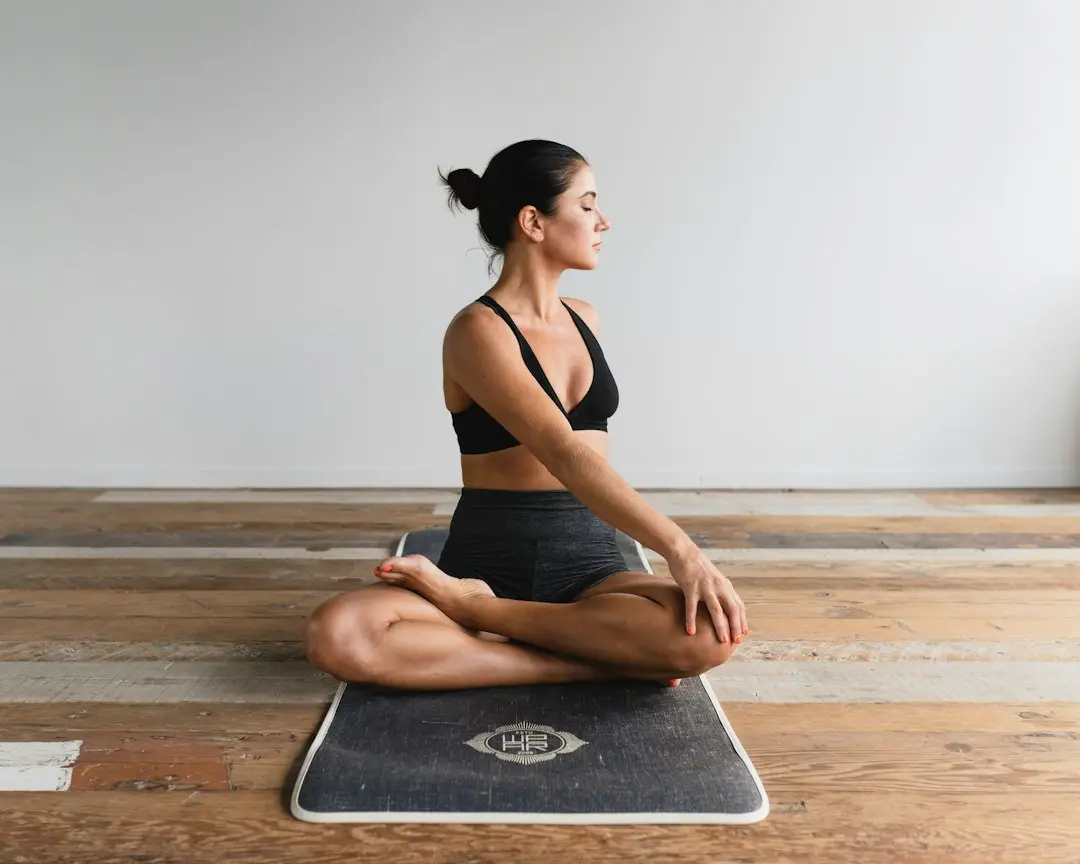
Sound Bowls, Sutras, and Silence: What Exactly Is Your Yoga Teacher Doing While You're in Savasana?
Sutras—ancient yogic texts—may be whispered softly to offer philosophical
During Savasana, the final resting pose in yoga practice, teachers remain actively engaged in guiding students' experience through subtle techniques like sound bowl vibrations, sutra recitations, and maintained silence, all aimed at deepening relaxation and integration. This phase, occurring at the end of a session, allows the body to absorb the benefits of prior postures while the mind settles into a state of calm awareness. Teachers use this time to monitor energy, adjust environmental cues, and support individual needs without disruption. The role of the yoga instructor during Savasana extends beyond mere observation; they are facilitators of inner stillness. Sound bowls, often made of crystal or metal, are struck or rubbed to produce resonant frequencies that help entrain brainwaves toward theta and delta states, promoting deep rest.
Wellness Alert
 New Depression Subtype Linked to Body Clock Identified
 AI Facial Analysis Predicts Cancer Survival Rates
 Optimizing Daily Habits for Improved Digestive Function
 Rapport Therapeutics Reports Positive Phase 2 Results for RAP-219 in Bipolar Mania
Sutras—ancient yogic texts—may be whispered softly to offer philosophical anchors, while silence itself becomes a tool, allowing students to confront and release internal chatter. Teachers carefully calibrate these elements based on class energy, time of day, and observed student responsiveness, ensuring the practice remains accessible and non-intrusive. How Sound and Silence Shape the Nervous System Research indicates that sustained exposure to harmonic tones from singing bowls can reduce cortisol levels and activate the parasympathetic nervous system, counteracting stress responses. When teachers introduce these sounds during Savasana, they are not performing but creating a sonic scaffold for physiological reset. Similarly, the deliberate use of silence avoids stimulating the mind with new input, allowing accumulated tension to dissipate.
One instructor noted, I’m not filling the space—I’m holding it open so students
One instructor noted, „I’m not filling the space—I’m holding it open so students can meet themselves.”This nuanced approach requires years of training to sense when to intervene and when to withdraw. What Happens If the Teacher Speaks Too Much? Excessive verbal guidance during Savasana can disrupt the very state it aims to cultivate, pulling students back into cognitive processing instead of permitting somatic integration. Teachers are trained to use minimal language—sometimes just a single cue to soften the jaw or release the shoulders—because even well-intentioned words can activate the left brain and hinder the shift into restorative mode. The skill lies in knowing when a whisper supports surrender and when it becomes interference. Over time, students learn to associate the teacher’s quiet presence with safety, enabling deeper letting go. Frequently Asked Questions Why do some teachers use sound bowls while others prefer silence?
Choice depends on training lineage, class intention, and student needs; sound bowls offer external focus for busy minds, while silence suits those prone to overstimulation. Is it normal to feel emotional during Savasana? Yes, the release of stored tension can surface unexpected feelings; teachers remain present to hold space without intervention unless distress arises. How long should Savasana last for optimal benefit? Typically 5 to 15 minutes, though duration varies by practice style and individual capacity, with longer times allowing deeper nervous system recalibration.
More stories: