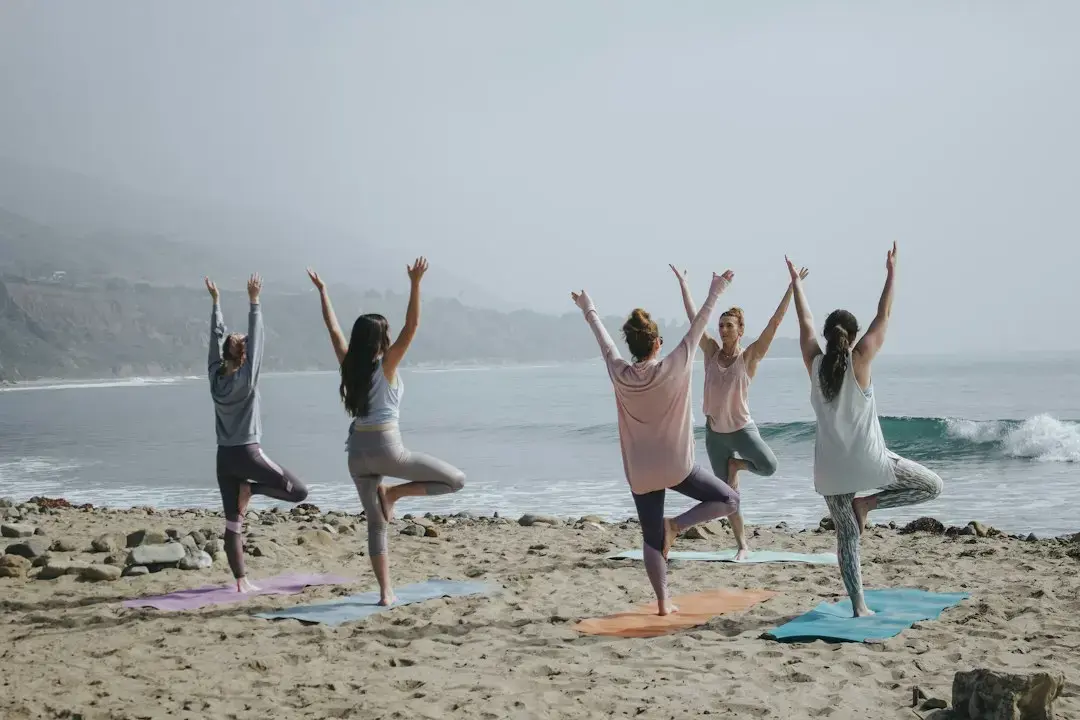
The Atlantic Declares Yoga Has Lost Its Cultural Edge
From Status Symbol to Practical Tool
New York, September 2026 — The Atlantic magazine recently published an analysis arguing that yoga has shed its status as a trendy cultural symbol. This shift marks a significant departure from the practice’s peak popularity in recent decades. The publication suggests this change is not a decline but a necessary evolution for the discipline.
Wellness Alert
 New Depression Subtype Linked to Body Clock Identified
 AI Facial Analysis Predicts Cancer Survival Rates
 Optimizing Daily Habits for Improved Digestive Function
 Rapport Therapeutics Reports Positive Phase 2 Results for RAP-219 in Bipolar Mania
The media landscape has long associated yoga with specific lifestyle markers. For years, practitioners were often stereotyped as part of a particular social group. The Atlantic’s piece challenges this perception, noting that the practice is becoming less about identity and more about utility. This move away from hype allows yoga to function as a practical tool rather than a social badge.
The article posits that yoga’s loss of coolness is actually beneficial. When a trend becomes ubiquitous, it often attracts superficial engagement. People joined studios not for the physical or mental benefits, but to signal belonging. As the novelty wore off, the core audience remained. This filtering process removes the noise and leaves behind dedicated practitioners who value the work itself.
Is the End of Hype the Beginning of Relevance?
Historically, yoga was a niche practice before entering the mainstream. The current phase mirrors that earlier period. The practice is now accessible without the pressure to perform a certain image. Studios are focusing on instruction quality rather than aesthetic branding. This shift encourages deeper learning and better technique among students.
Critics might view the cooling of yoga’s image as a sign of fading relevance. However, proponents argue that sustainability requires moving past the hype cycle. A practice that relies on being coolis vulnerable to the next trend. By losing that edge, yoga secures a permanent place in wellness routines. It becomes similar to other established disciplines like swimming or running. These activities are valued for their results, not their social cachet.
The Atlantic’s observation highlights a broader trend in wellness culture. Many practices are undergoing similar transitions. As consumers become more informed, they seek substance over style. Yoga instructors are adapting by emphasizing scientific backing and personalized care. The focus is shifting from group dynamics to individual progress. This change ensures the practice remains effective for diverse bodies and needs.
Frequently Asked Questions
Why does The Atlantic say yoga lost its cool? The magazine argues that yoga is no longer a primary marker of social status. It has transitioned from a trendy lifestyle choice to a standard wellness activity. This shift reduces the pressure to conform to specific aesthetic norms.
Does this mean yoga is becoming less popular? Not necessarily. While the cultural hype has decreased, the number of people practicing may remain stable or grow. The practice is becoming more integrated into daily life without the need for external validation. Popularity is now measured by retention rather than new trends.
What is the main benefit of this shift? The primary advantage is a focus on genuine practice. Students can engage with yoga for health and mental clarity without worrying about social signaling. This leads to a more sustainable and meaningful experience for long-term practitioners.
More stories: