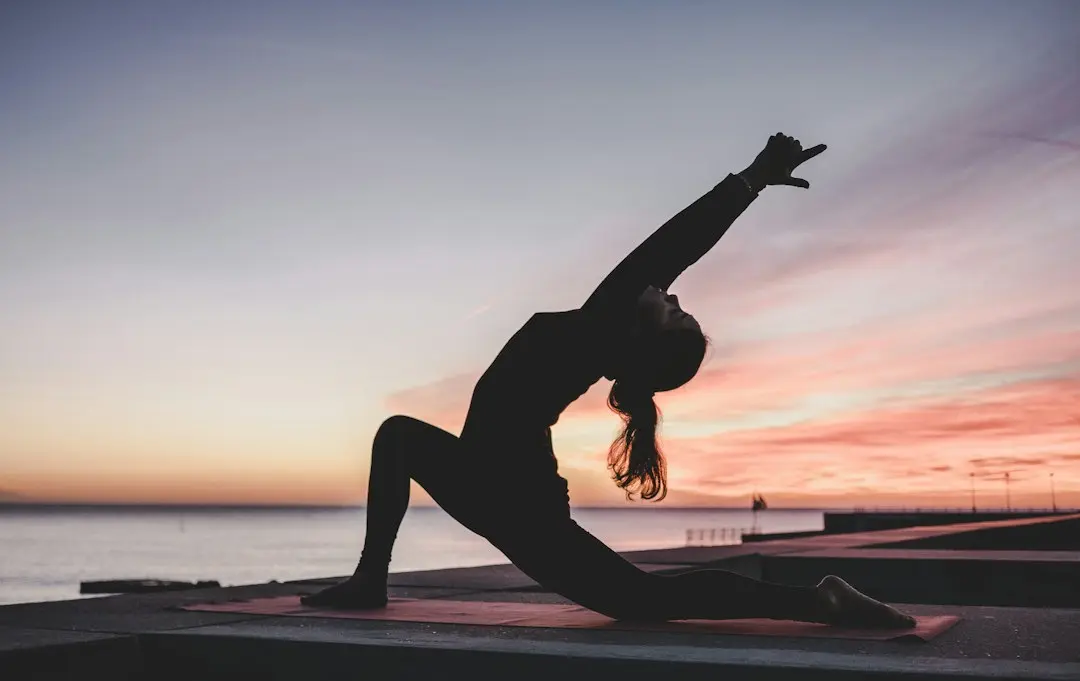
Yoga Techniques Help Many People Manage Anger and Reduce Daily Stress Levels
Breathing Controls the Fight or Flight Response
Many individuals report feeling chronically angry until they adopted specific yoga practices for emotional regulation. This shift occurred after they stepped back to observe their own behavior patterns closely. A recent article published on October 8, 2026, highlights this transformation. The piece focuses on how deliberate movement and breath control can stabilize mood. It offers practical advice for those seeking calm in a fast-paced world. The approach combines physical exercise with mindful awareness to address internal tension effectively.
Wellness Alert
 New Depression Subtype Linked to Body Clock Identified
 AI Facial Analysis Predicts Cancer Survival Rates
 Optimizing Daily Habits for Improved Digestive Function
 Rapport Therapeutics Reports Positive Phase 2 Results for RAP-219 in Bipolar Mania
The core strategy involves using yoga not just for flexibility but for emotional stability. Practitioners learn to identify triggers before they escalate into full-blown anger. By studying their reactions, people gain control over their responses. This method transforms stress from a disruptive force into a manageable signal. The body’s physical state directly influences mental clarity. When muscles relax, the mind often follows suit. This connection allows for quicker recovery from stressful events. Users find that consistent practice builds a baseline of calm. They no longer react impulsively to minor frustrations. Instead, they pause and assess the situation with greater objectivity. This change reduces the overall burden of daily irritability.
How Does Physical Posture Influence Emotional State?
Deep breathing exercises form the foundation of this technique. When anger spikes, the sympathetic nervous system activates. Yoga teaches practitioners to engage the parasympathetic system instead. Slow, controlled breaths lower heart rate and blood pressure. This physiological shift creates space between stimulus and response. Individuals can choose how to act rather than reacting blindly. The practice requires no special equipment or studio access. It can be performed anywhere during a workday break. Consistency is key to rewiring these automatic responses. Over time, the body learns to default to calm rather than chaos. This biological adjustment supports better decision-making under pressure.
Physical posture plays a critical role in emotional regulation. Slouching or hunching can reinforce feelings of defeat or tension. Standing tall or sitting upright signals confidence to the brain. Yoga poses encourage open chest positions and aligned spines. This alignment releases trapped energy in the shoulders and neck. Tension often accumulates in these areas during stressful periods. Releasing it through gentle stretches improves overall well-being. The mind perceives the physical release as safety. This feedback loop helps dissolve lingering anger. Practitioners report feeling lighter and more present after sessions. The physical act of stretching becomes a mental reset button. It interrupts the cycle of rumination and irritation.
The long-term outcome of integrating yoga into daily life is significant. People experience fewer outbursts and improved patience. Relationships often benefit from this new emotional stability. Work performance may improve due to reduced distraction from stress. The outlook suggests that emotional health is trainable like any other skill. Regular practice leads to lasting changes in temperament. Individuals move from feeling like angry people to balanced ones. This journey requires patience and consistent effort. However, the results provide a sustainable path to inner peace. The future looks promising for those who commit to this holistic approach.
Frequently Asked Questions
How often should someone practice these techniques? Most experts recommend daily practice, even if only for ten minutes. Short, frequent sessions are more effective than rare, long ones. Consistency helps build the neural pathways for calm.
Can beginners use these methods without prior yoga experience? Yes, the focus here is on breath and basic posture, not complex acrobatics. Beginners can start with simple breathing drills and gentle stretches. No advanced skills are required to see initial benefits.
More stories: