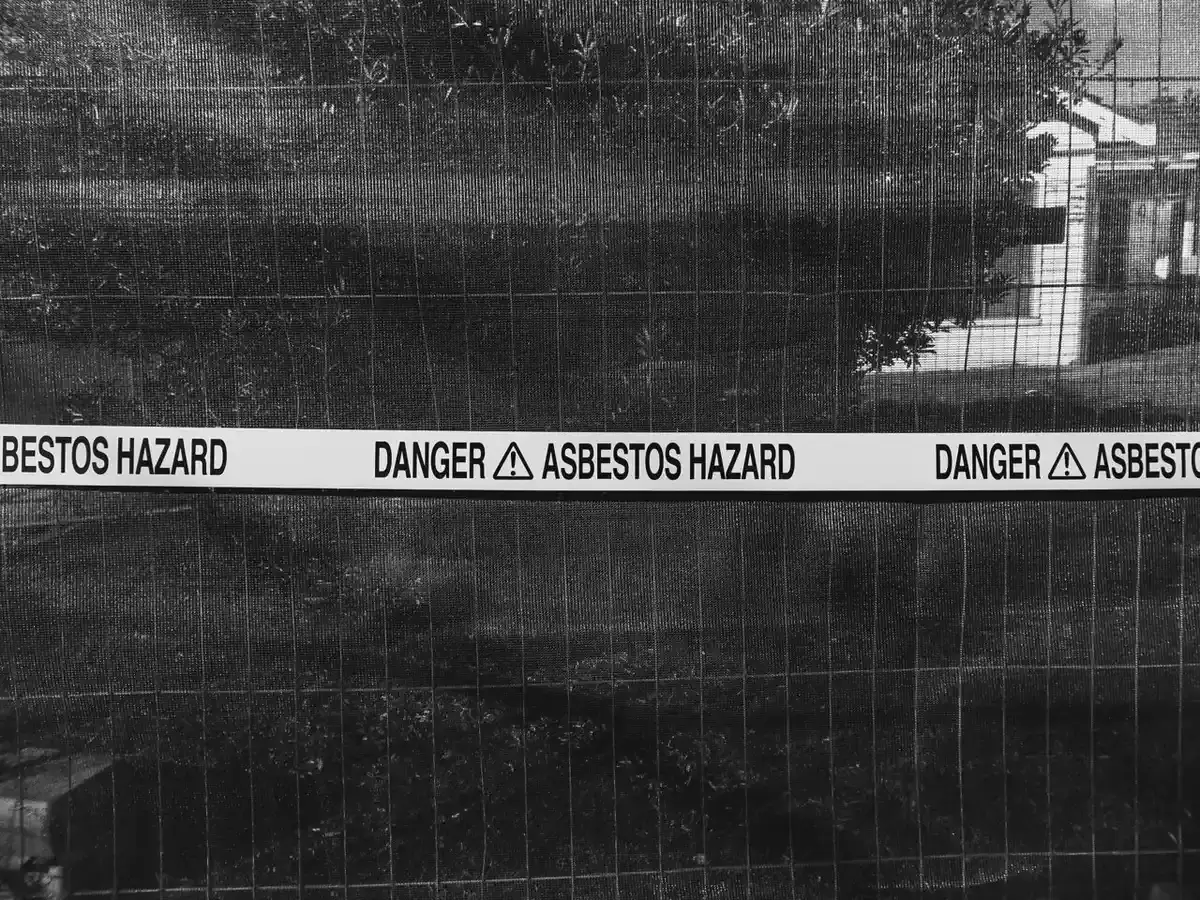
Asbestos Exposure and Lung Cancer Screening Gaps May Endanger Lives
Are We Missing the Mark on Lung Cancer Detection?
A study from Curtin University highlights a critical oversight in lung cancer screening for Australians exposed to asbestos. This research, released recently, suggests that many individuals may not be receiving the necessary evaluations to detect lung cancer early. The study indicates that existing screening programs may not adequately address the risks faced by asbestos-exposed individuals, potentially leading to late diagnoses and increased mortality rates. Asbestos exposure remains a significant health concern in Australia, where many workers were historically exposed to this hazardous material.
Wellness Alert
 Millions of Toothpaste Tubes Recalled Over Safety Concerns
 Understanding How Social Circles Boost Student Fitness
 New Depression Subtype Linked to Body Clock Identified
 AI Facial Analysis Predicts Cancer Survival Rates
The research emphasizes that individuals with a history of asbestos exposure are at a heightened risk for lung cancer. Despite this, current screening protocols often overlook these high-risk groups. The findings raise alarms about the potential for increased lung cancer cases in this demographic, as early detection is crucial for effective treatment.
Curtin University researchers analyzed data and found a lack of tailored screening efforts for those affected by asbestos. They argue that the existing guidelines do not sufficiently account for the unique risks associated with asbestos exposure. This oversight could cost lives, as many may not be screened until the disease has advanced.
How Can Screening Be Improved for At-Risk Populations?
Experts stress the need for updated screening guidelines that specifically include individuals with asbestos exposure. By implementing targeted screening measures, healthcare providers could improve early detection rates, ultimately saving lives. The study calls for immediate action to address these gaps in lung cancer screening.
The implications of this research are significant. If changes are not made, many Australians at risk may continue to go undiagnosed until it is too late. The study serves as a crucial reminder of the importance of tailored health interventions for vulnerable populations.
Frequently Asked Questions
What does the study reveal about asbestos exposure? The study shows that Australians exposed to asbestos may not be adequately screened for lung cancer, increasing their risk of late diagnosis.
Why is targeted screening important? Targeted screening can lead to earlier detection of lung cancer, improving treatment outcomes and potentially saving lives for those at high risk.
What steps are being recommended? Researchers advocate for updated screening guidelines that specifically address the needs of individuals with a history of asbestos exposure to ensure they receive timely evaluations.
More stories: