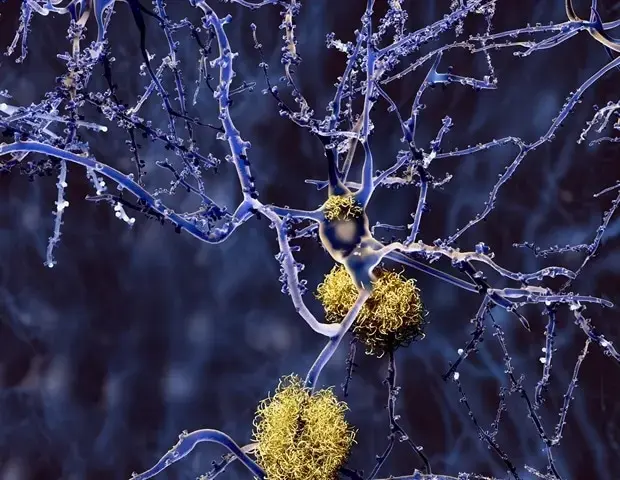
New Study Reveals Early Detection of Alzheimer's Through Brain Imaging
Can Brain Imaging Change Alzheimer's Diagnosis?
A groundbreaking study from the University of Oslo indicates that Alzheimer's disease can be identified over seven years earlier than previously thought. The research, conducted by the Department of Psychology, was published in the journal Nature Neuroscience. This study highlights the potential of brain imaging techniques to detect changes associated with Alzheimer's long before the characteristic plaques form. The findings may revolutionize early diagnosis and intervention strategies for the disease.
Wellness Alert
 New Depression Subtype Linked to Body Clock Identified
 AI Facial Analysis Predicts Cancer Survival Rates
 Optimizing Daily Habits for Improved Digestive Function
 Rapport Therapeutics Reports Positive Phase 2 Results for RAP-219 in Bipolar Mania
Researchers focused on identifying specific brain changes that precede the appearance of amyloid plaques, a hallmark of Alzheimer's. By employing advanced imaging technologies, they observed alterations in brain function and structure that could signal the onset of the disease. These changes were detected in participants who were otherwise healthy, suggesting that early intervention could be possible.
The study involved a cohort of individuals who underwent regular brain scans and cognitive assessments. Over time, researchers noted subtle shifts in brain activity linked to Alzheimer's, providing a clearer picture of how the disease progresses. This could pave the way for new therapeutic approaches aimed at delaying or preventing the onset of symptoms.
What Are the Implications of Early Detection?
The ability to detect Alzheimer's at such an early stage raises important questions about treatment and care. Early diagnosis could allow for lifestyle changes, medications, or therapies that might slow the disease's progression. Furthermore, it could provide families with time to prepare for the future.
As the global population ages, the demand for effective Alzheimer's interventions is increasing. This research may contribute to more personalized healthcare strategies, ultimately improving the quality of life for those at risk.
Frequently Asked Questions
How does brain imaging help detect Alzheimer's? Brain imaging can reveal changes in brain activity and structure that occur before the development of amyloid plaques. This allows for earlier identification of individuals at risk.
What could be the next steps following early detection? Following early detection, healthcare providers can implement preventive measures, including lifestyle changes or medications aimed at slowing disease progression. This proactive approach may enhance patient outcomes significantly.
Is this study widely accepted in the medical community? While the findings are promising, further research is needed to validate these results and integrate them into clinical practice. Ongoing studies will assess the long-term impact of early detection strategies.
More stories: