Vaccines Have Saved Over 150 Million Lives in the Last 50 Years, Says WHO
The Lifesaving Impact of Vaccination
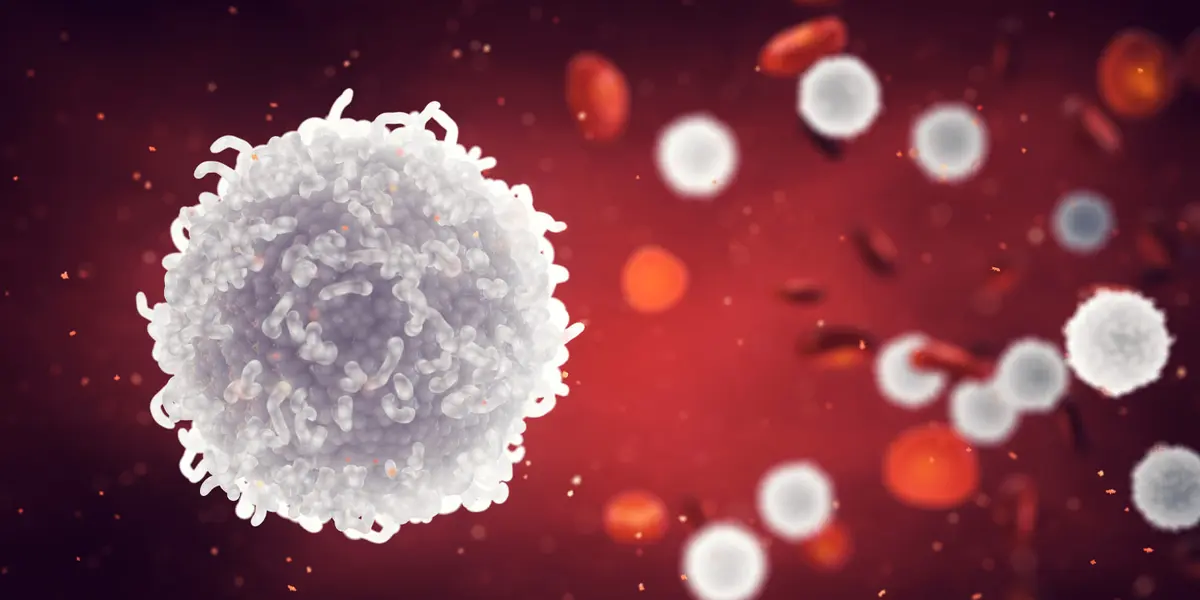
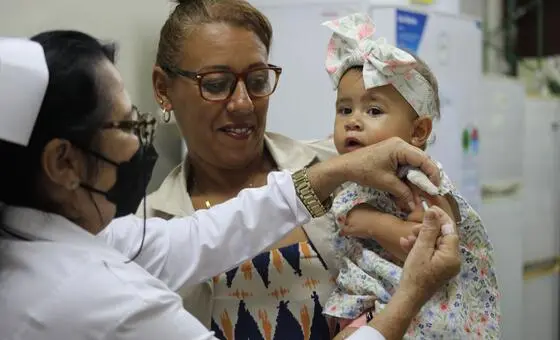
The World Health Organization (WHO) has reported that vaccines have saved more than 150 million lives globally over the past five decades. This significant achievement highlights the importance of immunization in protecting individuals and communities from various diseases.
Wellness Alert
 Vaccine Study Retracted Over Autism Link
 New Genetic Driver for Rare Small Intestinal Cancers
 Antibody Profiles Shed Light on Long Covid Cognitive Symptoms
 New FDA‑Cleared Device Uses Gentle Electrical Currents to Ease Depression at Home
Vaccination has played a crucial role in public health by preventing outbreaks of infectious diseases. The WHO emphasizes that the decision to vaccinate is not only a personal choice but also a commitment to community health. As more people have chosen to get vaccinated, the impact on reducing illness and mortality rates has been profound.
Vaccines have been instrumental in combating diseases such as measles, polio, and smallpox, which once claimed countless lives. The widespread acceptance of vaccines has led to a dramatic decline in these diseases. For instance, smallpox was eradicated in 1980 due to successful vaccination campaigns. The WHO continues to advocate for vaccination as a means to protect future generations.
Why Are Some People Still Hesitant About Vaccines?
According to the WHO, the success of vaccines can be attributed to rigorous research, development, and distribution efforts. The organization has worked tirelessly to ensure that vaccines are accessible to everyone, regardless of their location or economic status. Community outreach and education have also played a significant role in increasing vaccination rates.
Despite the proven effectiveness of vaccines, some individuals remain hesitant to get vaccinated. Misinformation and lack of trust in health systems contribute to this reluctance. The WHO stresses the need for ongoing education and dialogue to address these concerns and encourage vaccination.
Public health officials are working to counter misinformation by providing accurate information about the safety and efficacy of vaccines. Engaging with communities and addressing their specific concerns can help build confidence in vaccination programs.
The consequences of vaccine hesitancy can be severe, leading to outbreaks of preventable diseases. As more people choose not to vaccinate, herd immunity diminishes, putting vulnerable populations at risk. The WHO urges everyone to consider the broader implications of their vaccination choices.
Frequently Asked Questions
How do vaccines work? Vaccines stimulate the immune system to recognize and fight specific pathogens. By introducing a harmless part of the virus or bacteria, vaccines prepare the body to respond effectively if exposed in the future.
Why are vaccines important for community health? Vaccines protect not only individuals but also those who cannot be vaccinated, such as infants or those with certain health conditions. High vaccination rates help maintain herd immunity, preventing the spread of diseases.
What can be done to increase vaccination rates? Increasing vaccination rates requires public education, community engagement, and addressing misinformation. Collaborating with local leaders and healthcare providers can foster trust and encourage more people to get vaccinated.
More stories: