Stem Cell Therapy Brings Relief to 'Butterfly Skin' Sufferers
A New Approach to Treating Fragile Skin
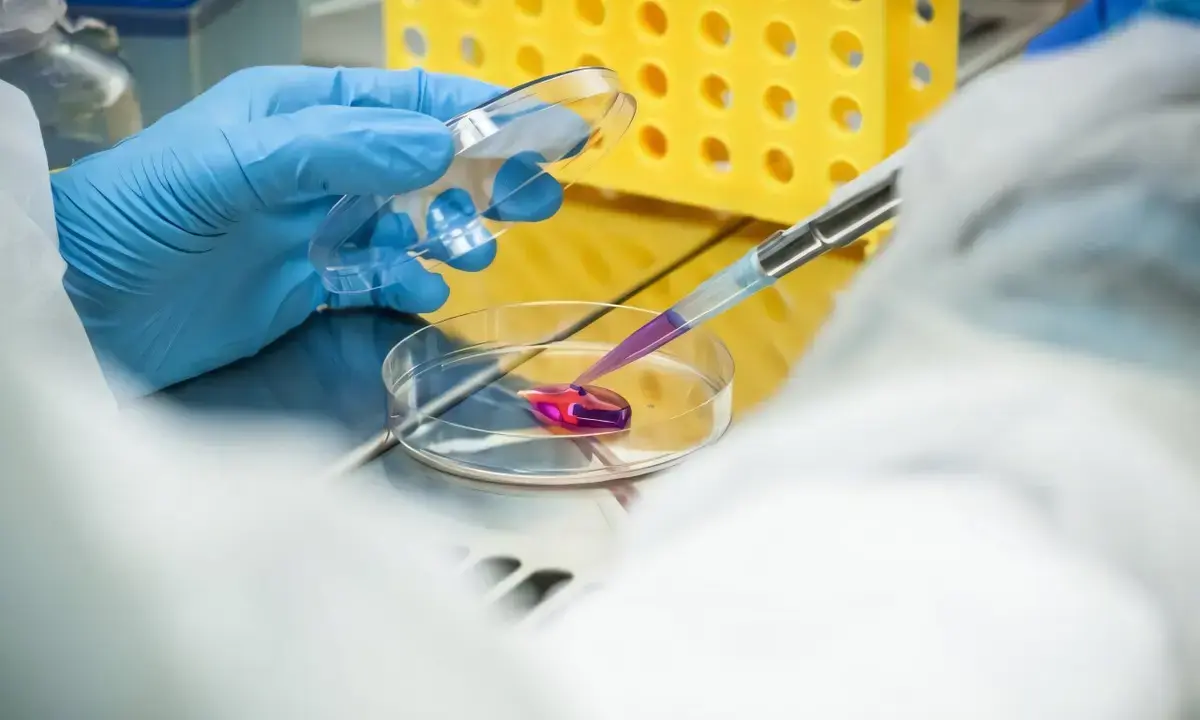
Researchers at Carlos III University of Madrid have conducted a trial on patients with epidermolysis bullosa, a rare genetic disorder. The condition causes extremely fragile skin, earning it the nickname butterfly skin. The study involved infusing mesenchymal stem cells from family donors into patients.
Wellness Alert
 New Depression Subtype Linked to Body Clock Identified
 AI Facial Analysis Predicts Cancer Survival Rates
 Optimizing Daily Habits for Improved Digestive Function
 Rapport Therapeutics Reports Positive Phase 2 Results for RAP-219 in Bipolar Mania
The intravenous infusion of these stem cells has been found to be safe and effective in improving symptoms. Epidermolysis bullosa patients suffer from blisters and wounds that can cover large areas of their bodies, causing significant pain and discomfort. The stem cell therapy aims to alleviate these symptoms and improve the patients' quality of life.
The trial's results are promising, with patients showing significant improvement after receiving the stem cell infusion. The mesenchymal stem cells used in the study were derived from family donors, reducing the risk of rejection and making the treatment more viable. By using stem cells from related donors, the researchers hope to have found a more reliable and sustainable source of cells for future treatments.
Can Stem Cells Provide a Long-Term Solution?
The therapy works by promoting tissue repair and regeneration. The infused stem cells help to heal wounds and reduce blistering, providing relief to patients. According to the researchers, the treatment has shown a significant reduction in symptoms, allowing patients to lead more normal lives.
While the results are encouraging, the researchers acknowledge that further studies are needed to fully understand the long-term effects of the treatment. The trial's findings, however, suggest that stem cell therapy could be a valuable treatment option for epidermolysis bullosa patients.
The successful outcome of this trial could lead to the development of new treatments for this debilitating condition, offering hope to patients and their families. As research continues, the potential for stem cell therapy to improve the lives of those affected by epidermolysis bullosa is becoming increasingly clear.
Frequently Asked Questions
What is epidermolysis bullosa? Epidermolysis bullosa is a rare genetic disorder that causes extremely fragile skin, leading to blisters and wounds. It is often referred to as butterfly skindue to the fragility of the skin.
How does stem cell therapy work? The therapy involves infusing mesenchymal stem cells from family donors into patients, promoting tissue repair and regeneration, and reducing symptoms.
Is the treatment safe? The trial found the intravenous infusion of mesenchymal stem cells to be safe, with patients showing significant improvement without major adverse effects.
More stories: