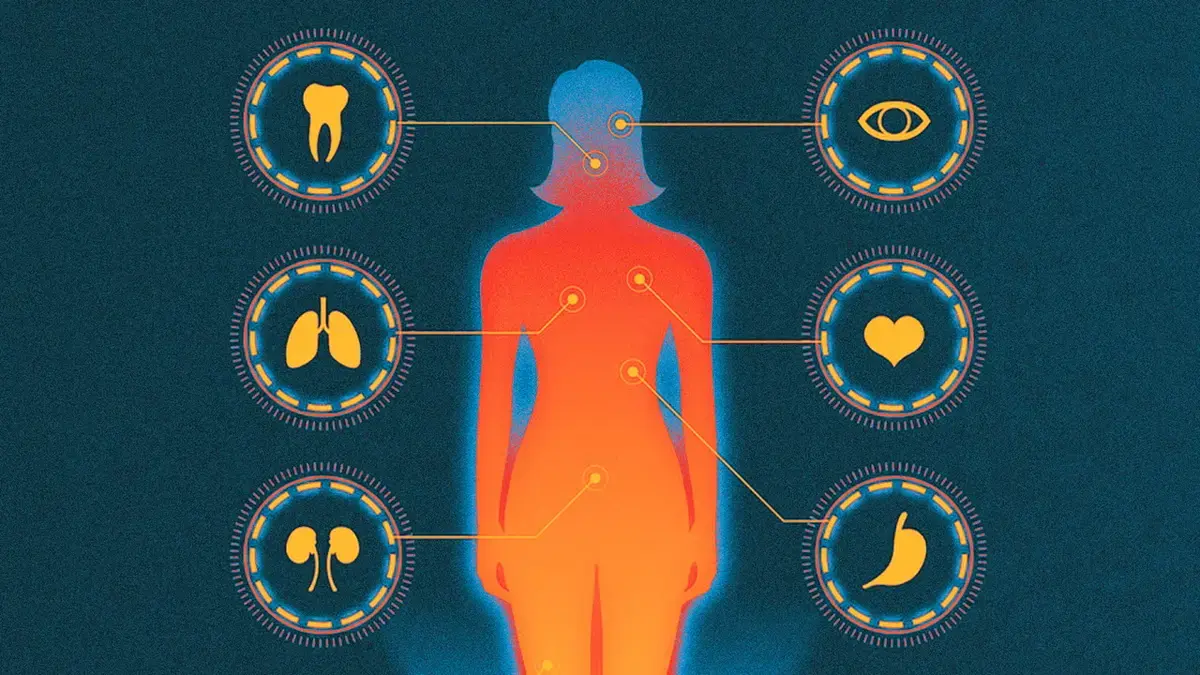
AI Chatbots & Healthcare: Doctors Remain Essential
Beyond Symptoms: The Limits of AI Diagnosis
A parent concerned about a toddler’s fever and an elderly woman experiencing fatigue both turned to artificial intelligence for quick answers. The AI chatbot diagnosed a likely ear infection for the child and suggested potential causes for the woman’s symptoms. This highlights a growing trend of self-diagnosis using readily available AI tools.
Wellness Alert
 Emotional Intelligence Linked to Workplace Resilience, New Study Finds
 Take Charge of Your Health: Why You Are Your Best Medical Advocate
 Anxiety in the practice room: How performance stress shapes student well-being
 Stop Believing Everything You Hear: The Hidden Cost of Unverified Information
These AI programs, like ChatGPT, are becoming increasingly sophisticated. They can process information and offer potential diagnoses based on entered symptoms. However, experts emphasize that these tools are not replacements for qualified medical professionals. They offer convenience, but lack the critical thinking and nuanced understanding of a doctor.
AI excels at pattern recognition. It can quickly sift through vast amounts of medical data. This allows it to identify potential conditions based on reported symptoms. But healthcare involves much more than just matching symptoms to diseases. A doctor considers a patient’s complete medical history, lifestyle, and performs a physical examination.
Can AI Truly Understand Patient Needs?
AI cannot replicate this holistic approach. It lacks the ability to ask clarifying questions or detect subtle cues. A simple fever, for example, can have many causes. An ear infection is only one possibility. A doctor will consider other factors, like the child’s age, vaccination status, and any other accompanying symptoms. They might also perform an ear examination to confirm the diagnosis.
The elderly woman experiencing fatigue presents a similar challenge. Fatigue can stem from a variety of issues. These range from simple dehydration to more serious conditions like heart problems or anemia. An AI chatbot might suggest rest or increased fluid intake. However, a doctor could order blood tests to identify the underlying cause and recommend appropriate treatment.
The risk of misdiagnosis is a significant concern. Relying solely on AI could lead to delayed or incorrect treatment. This could have serious consequences, especially for conditions requiring immediate medical attention. Furthermore, AI lacks empathy and the ability to provide emotional support, crucial aspects of patient care.
The increasing use of AI in healthcare is inevitable. It can be a valuable tool for preliminary assessments and providing general information. However, it's vital to remember its limitations. Doctors remain essential for accurate diagnosis, personalized treatment plans, and comprehensive patient care. The future of healthcare likely involves a collaboration between AI and medical professionals, not a replacement of one by the other.
Frequently Asked Questions
What are the biggest risks of using AI for self-diagnosis? Misdiagnosis is the primary risk. AI might overlook crucial details or provide inaccurate information, leading to delayed or inappropriate treatment. It's important to always consult a doctor for any health concerns.
Can AI help doctors improve patient care? Yes, AI can assist doctors by analyzing large datasets and identifying potential patterns. This can help them make more informed decisions and provide better care. It's a tool to enhance, not replace, their expertise.
Is AI diagnosis accurate enough to replace a doctor’s visit? Currently, no. While AI is improving, it lacks the critical thinking, nuanced understanding, and empathy needed to provide comprehensive medical care. A doctor's expertise is still vital for accurate diagnosis and effective treatment.
More stories: