Does Your Sleep Tracker Really Measure Brain Activity?
How Accurate Are Wrist-Based Sleep Estimates?
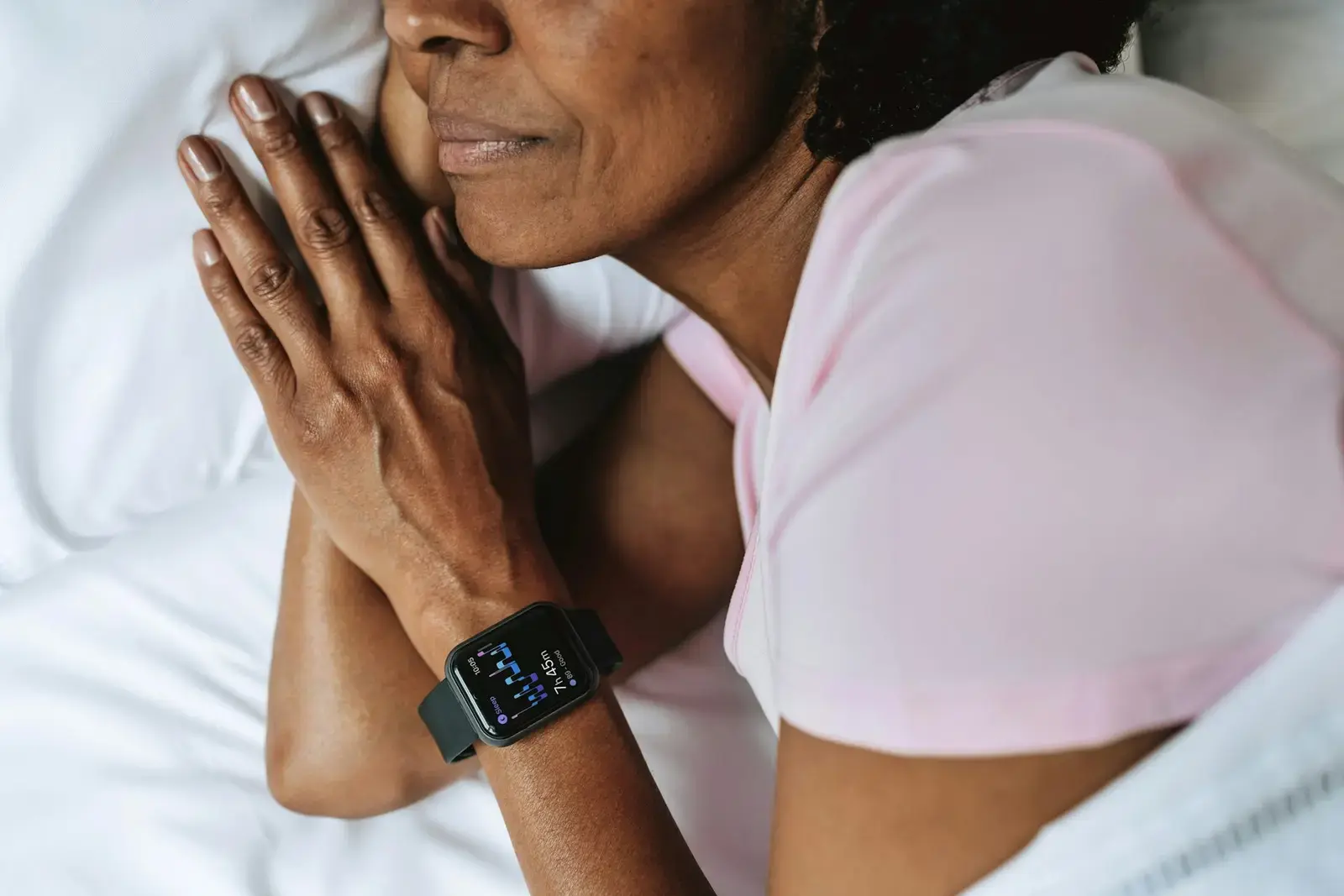
On a typical night, I wear two different sleep tracking devices—one on each wrist—to compare their readings while drinking morning coffee. As a Pittsburgh neuroscientist, I’m curious whether these wrist-worn sensors can truly reflect what happens in my brain during sleep. Many people now rely on such gadgets to understand their rest, but the technology behind them remains limited in scope.
Wellness Alert
 New Depression Subtype Linked to Body Clock Identified
 AI Facial Analysis Predicts Cancer Survival Rates
 Optimizing Daily Habits for Improved Digestive Function
 Rapport Therapeutics Reports Positive Phase 2 Results for RAP-219 in Bipolar Mania
These devices primarily track movement and heart rate to estimate sleep stages, not direct brain activity. While they can detect when you’re still or restless, they cannot measure neural patterns like those seen in clinical sleep studies. A neuroscientist explains that wrist sensors lack the precision of EEG monitors used in labs, which track electrical brain waves to distinguish between light, deep, and REM sleep. Instead, consumer trackers infer sleep quality through indirect proxies, making their data useful for trends but not for diagnosing sleep disorders.
Can Wearables Improve Sleep Health Over Time?
The accuracy of these devices varies significantly depending on the model and individual physiology. Studies show they often overestimate total sleep time and struggle to detect brief awakenings during the night. For example, someone lying still but awake might be recorded as asleep, while restless movements during deep sleep could be misinterpreted as wakefulness. Despite these limitations, consistent use can reveal personal patterns—like how caffeine or stress affects sleep duration—offering actionable insights for lifestyle adjustments.
While not medical-grade, sleep trackers encourage awareness and habit formation, which can lead to better sleep hygiene. Users who review their data may adjust bedtime routines, reduce screen time, or consult a doctor if persistent irregularities appear. Experts caution against obsessing over nightly scores, emphasizing that how you feel upon waking matters more than any number. Long-term trends, however, can highlight correlations worth discussing with a healthcare provider.
Can a sleep tracker detect sleep apnea? No, wrist-based devices cannot diagnose sleep apnea, which requires monitoring breathing patterns and oxygen levels typically done in a sleep lab.
Frequently Asked Questions
Should I trust my tracker if it says I got eight hours of sleep? Use it as a general guide, but prioritize how rested you feel; trackers can misjudge sleep quality based on movement alone.
Do all sleep trackers work the same way? No, accuracy varies by brand and sensor technology; some use more advanced algorithms or additional metrics like skin temperature.
More stories: