How Long Should You Sleep? New Wearable Data Suggest a Personal Standard
Can Personalized Sleep Guidelines Be Implemented in Public Health?
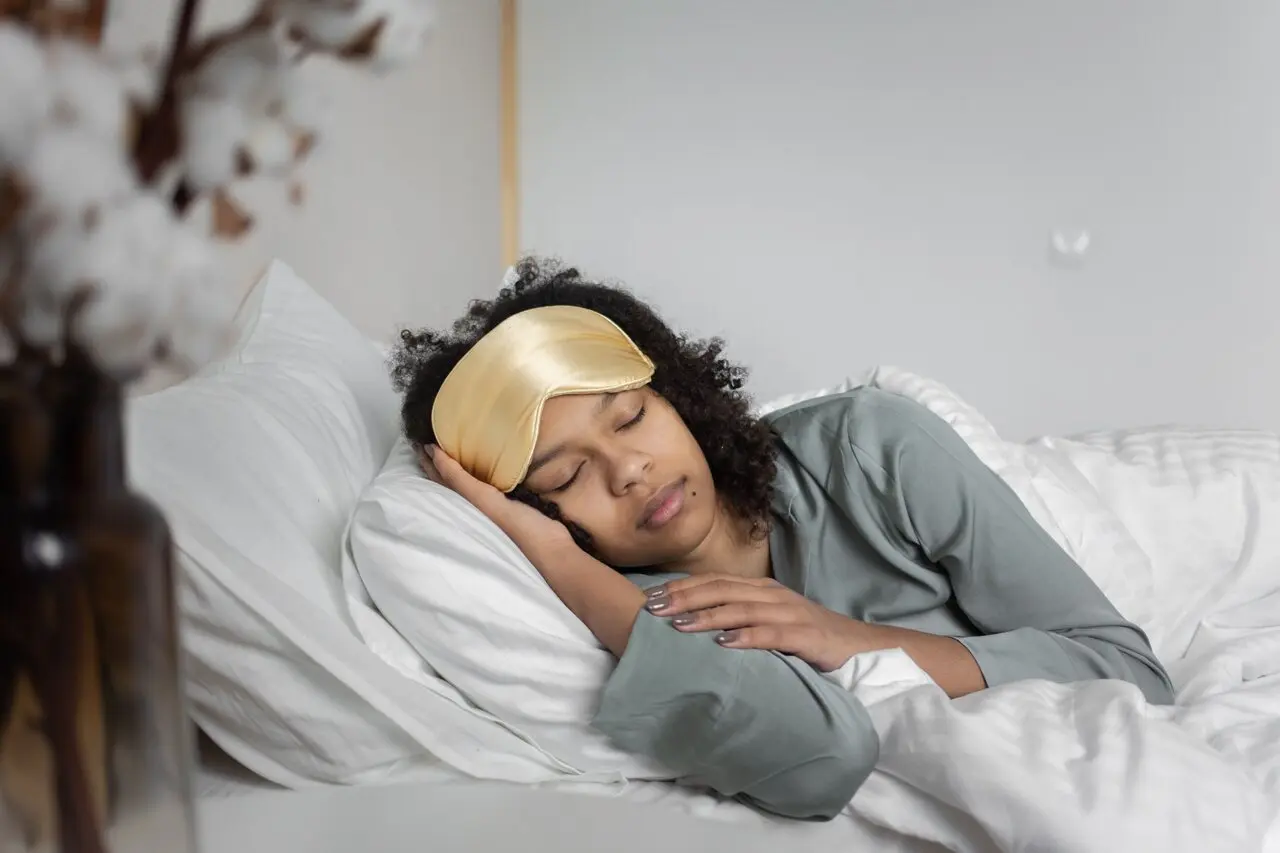
A team of researchers from the National University of Singapore has used long‑term data from wearable devices to challenge the one‑size‑fits‑all approach to sleep recommendations. The study, published in a peer‑reviewed journal, followed thousands of participants over several months, tracking their nightly sleep duration and quality. The findings indicate that individual sleep needs vary more than the current public health guidelines assume, and that personal metrics could better predict health outcomes. The research team collected continuous sleep data from smartwatches and fitness trackers, compiling over 10 million recorded nights. Participants ranged from 18 to 75 years old, with diverse lifestyles and health conditions. By analyzing patterns of sleep duration, timing, and recovery, the scientists identified a spectrum of „optimal” sleep lengths for each individual.
Wellness Alert
 New Depression Subtype Linked to Body Clock Identified
 AI Facial Analysis Predicts Cancer Survival Rates
 Optimizing Daily Habits for Improved Digestive Function
 Rapport Therapeutics Reports Positive Phase 2 Results for RAP-219 in Bipolar Mania
Their analysis also linked these personalized sleep windows to markers of cardiovascular health, metabolic function, and mental well‑being. Sleep Is a Personal Metric, Not a Public Policy The study’s lead author explained that public health guidelines, such as the recommendation of seven to nine hours for adults, are designed for population averages. „They’re useful for broad policy, but they don’t account for the biological diversity among people,” she said. Using machine learning, the researchers modeled each participant’s ideal sleep length based on their age, activity level, and sleep quality scores. The model suggested that some people function optimally on as little as six hours, while others need up to ten. When the researchers compared these personalized ranges to health outcomes, they found stronger correlations than when using the standard guidelines.
Frequently Asked Questions
For instance, participants whose nightly sleep fell within their individualized window had a 15% lower risk of developing hypertension than those who slept outside that range, even if both groups met the general recommendation. How Wearable Data Is Changing Sleep Science Wearable devices provide high‑resolution, real‑time data that traditional sleep studies cannot match. „We can now observe sleep over months, not just a few nights in a lab,” said a co‑author. The continuous monitoring captured variations due to work schedules, stress, and seasonal changes. The researchers used this data to identify „sleep debt” patterns and how quickly individuals recover from short nights. The study also highlighted the role of sleep quality. Even when total hours matched the recommended range, poor sleep architecture—such as fragmented REM cycles—was linked to increased fatigue and decreased cognitive performance.
The wearable sensors measured heart rate variability and movement, offering proxy markers for sleep stages.
What would it take to shift from blanket recommendations to individualized advice? The authors suggest integrating wearable data into primary care. Doctors could review a patient’s sleep logs and adjust recommendations based on their personal sleep profile. „The technology is already available; the challenge is translating data into actionable guidance,” they noted. They also caution that wearables can misclassify sleep stages, and that privacy concerns may limit widespread adoption. However, the potential benefits—improved cardiovascular health, better mental resilience, and reduced healthcare costs—could outweigh these challenges.
More stories: