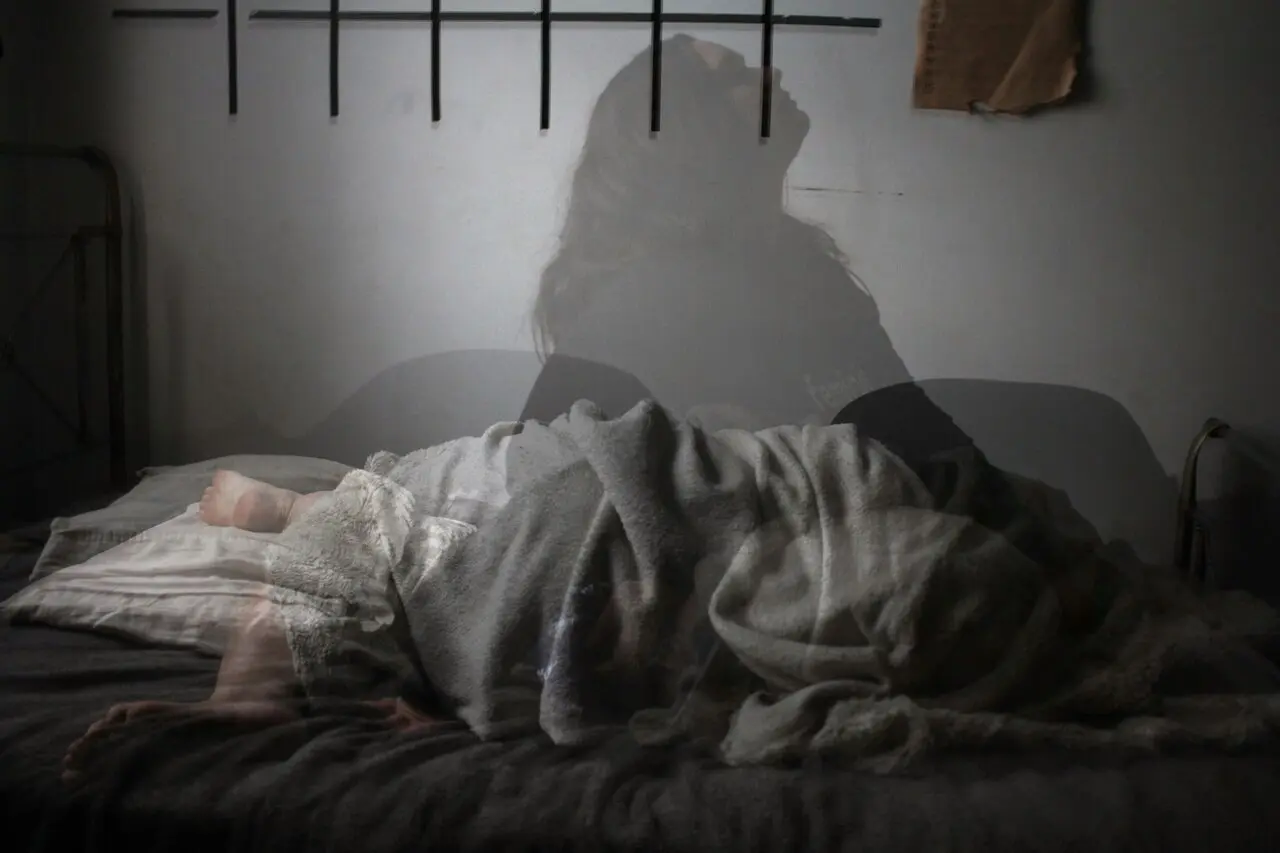
Sleep health faces mounting pressure across Europe, according to a new report
Why Europe's Sleep Crisis Demands Coordinated Action
The Equality, Diversity and Inclusion Committee and the Early Career Network of the European Sleep Research Society issued the warning. They describe sleep health as an escalating public health crisis. The group urges coordinated action to protect it.
Wellness Alert
 Emotional Intelligence Linked to Workplace Resilience, New Study Finds
 Take Charge of Your Health: Why You Are Your Best Medical Advocate
 Anxiety in the practice room: How performance stress shapes student well-being
 Stop Believing Everything You Hear: The Hidden Cost of Unverified Information
The paper highlights that poor sleep is no longer a personal inconvenience. It has become a regional health priority. Researchers note that fragmented sleep patterns are spreading. This trend threatens long-term physical and mental well-being.
The report identifies several key drivers behind the decline. Increased screen time, irregular work schedules, and urban noise pollution all play a role. The authors argue that fragmented efforts are insufficient. They call for a unified European strategy. This strategy should address environmental, social, and individual factors simultaneously.
What Can Be Done to Reverse the Trend?
The committee emphasizes that sleep deprivation compounds other health risks. It weakens the immune system and increases cardiovascular strain. The paper stresses that protecting sleep is not just about rest. It is about preserving overall population health.
The researchers propose a multi-level approach. Policy makers should regulate noise and light pollution. Employers must review shift work patterns. Schools need to educate students on healthy sleep hygiene. The report suggests that without these steps, the crisis will deepen.
Frequently Asked Questions
What is the main threat to sleep health in Europe? The report points to environmental and lifestyle factors. These include screen exposure, noise, and irregular schedules.
Who authored this warning? The Equality, Diversity and Inclusion Committee and the Early Career Network of the European Sleep Research Society wrote the paper.
What action do the researchers recommend? They call for coordinated European action. This includes policy changes, employer adjustments, and public education.
More stories: