Gut Bacteria’s Role in Selenium Processing Revealed
Microbial Transformation of Selenium Compounds
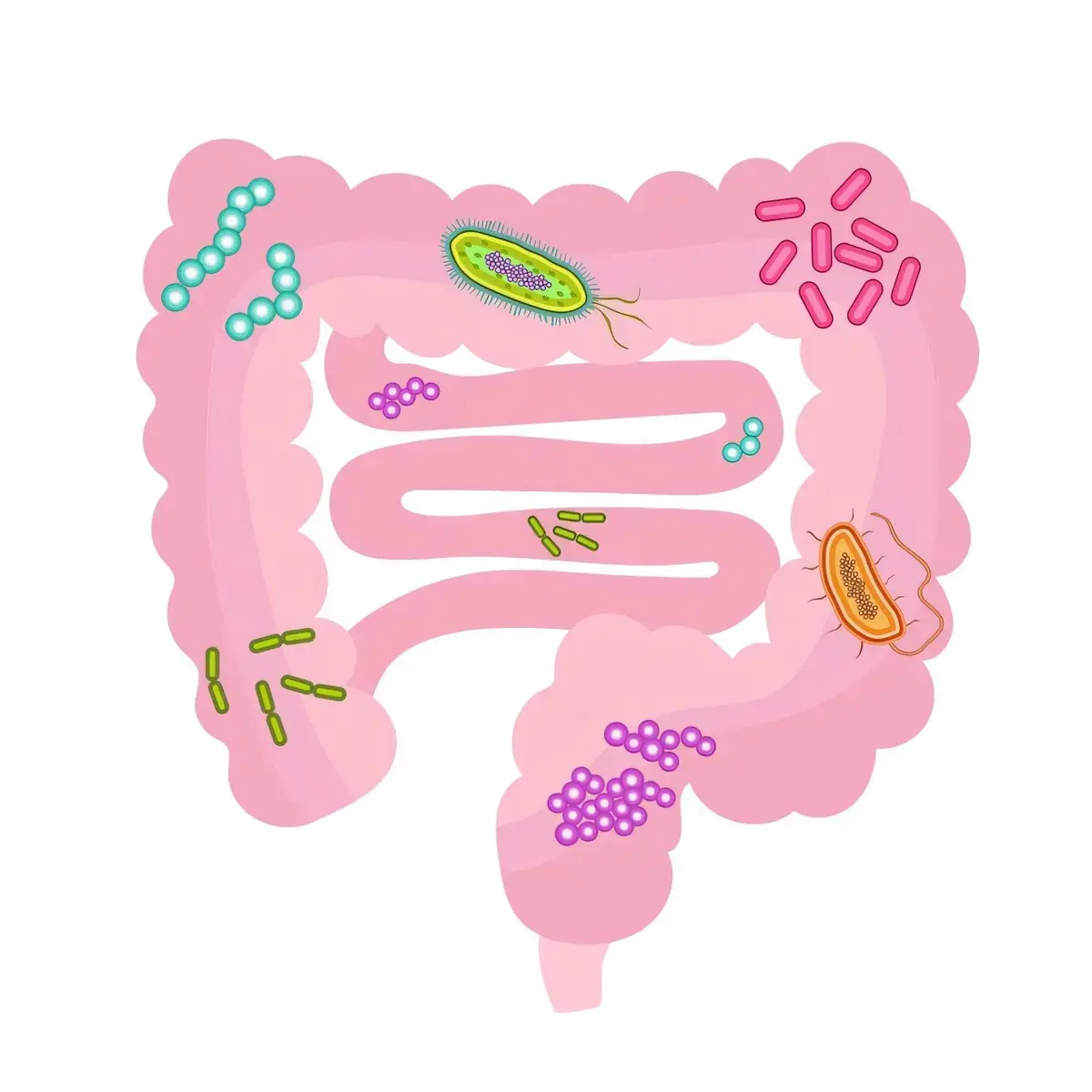
Researchers at Chiba University have discovered how gut bacteria interact with selenium. This essential mineral, found in foods like meat and seafood, is processed by microbes within the digestive system. The findings shed light on how the body manages selenium levels. This research focuses on detoxification and excretion processes.
Wellness Alert
 Millions of Toothpaste Tubes Recalled Over Safety Concerns
 Understanding How Social Circles Boost Student Fitness
 New Depression Subtype Linked to Body Clock Identified
 AI Facial Analysis Predicts Cancer Survival Rates
Selenium is a vital trace element. It plays a crucial role in many biological functions. These include antioxidant defense and thyroid hormone metabolism. However, the way the body utilizes selenium is complex. It isn’t fully understood how the gut microbiome influences this process. Scientists have now identified specific microbial contributions to selenium metabolism.
The study highlights that gut bacteria don’t just passively allow selenium absorption. They actively transform it. These transformations create different selenium compounds. Some of these compounds aid in removing excess selenium from the body. This detoxification process is crucial, as high selenium levels can be toxic. The bacteria essentially modify the mineral’s chemical form.
Can Gut Health Optimize Selenium Benefits?
Researchers found that specific microbial enzymes are responsible for these changes. These enzymes catalyze reactions that convert one selenium compound into another. This metabolic activity influences how selenium is distributed and eliminated. It also affects its bioavailability – how much the body can actually use. Understanding these microbial pathways is key to optimizing selenium nutrition.
The interplay between host and microbiota is bidirectional. The host provides the environment for the microbes. In return, the microbes perform functions the host cannot. In this case, the gut bacteria are acting as a metabolic partner. They’re helping to regulate selenium levels and protect against toxicity. This suggests that a healthy gut microbiome could enhance the benefits of selenium intake.
The research team believes this discovery has implications for dietary recommendations. Individuals with compromised gut health might not process selenium effectively. This could lead to deficiencies or, conversely, increased risk of toxicity. Personalized nutrition strategies, tailored to an individual’s gut microbiome composition, might be necessary. Further research will explore these possibilities.
Frequently Asked Questions
The findings underscore the importance of the gut microbiome. It’s not just about digestion. It’s a central player in overall health and nutrient metabolism. By understanding these complex interactions, we can develop more effective strategies for maintaining optimal selenium status. This could improve health outcomes and prevent selenium-related diseases.
What happens if my gut bacteria aren't processing selenium correctly? If gut bacteria are imbalanced, selenium metabolism can be disrupted. This might lead to either a deficiency, where the body doesn't get enough selenium, or toxicity, where levels become dangerously high. A balanced gut microbiome is essential for proper processing.
Is it possible to improve selenium metabolism through diet? Consuming a diet rich in fiber and prebiotics can promote a healthy gut microbiome. This, in turn, can enhance the gut’s ability to process selenium effectively. Specific foods that support gut health may be beneficial.
More stories: