Impact of BMI and Waist Circumference on Mortality in Older Adults
How Do BMI and Waist Circumference Differ in Impact?
A recent study published in the Journal of the American Geriatrics Society examined data from 6,905 Americans aged 65 and older. This research spanned from 2011 to 2024, focusing on how body mass index (BMI) and waist circumference influence mortality rates in older populations.
Wellness Alert
 Millions of Toothpaste Tubes Recalled Over Safety Concerns
 Understanding How Social Circles Boost Student Fitness
 New Depression Subtype Linked to Body Clock Identified
 AI Facial Analysis Predicts Cancer Survival Rates
The analysis revealed a surprising trend: higher BMI correlated with a decreased risk of death in older adults. Conversely, larger waist circumference, often indicating abdominal obesity, was linked to an increased risk of mortality. This suggests that the distribution of body fat may play a more critical role in health outcomes than overall weight alone.
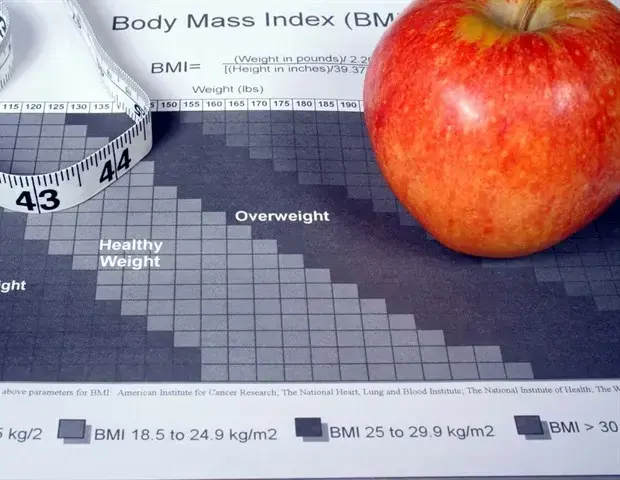
BMI is a standard measure that calculates body fat based on height and weight. While it has been a common metric for assessing obesity, this study indicates that it may not tell the whole story for older adults. The research highlights that individuals with a higher BMI may actually enjoy better longevity, challenging traditional views on weight and health.
Is Waist Circumference a Better Indicator of Health?
On the other hand, waist circumference serves as a better indicator of health risks associated with abdominal fat. Excess fat around the abdomen is known to contribute to various health issues, including cardiovascular diseases and diabetes. This study emphasizes the importance of considering waist size alongside BMI when assessing health risks in older individuals.
The findings raise an important question: should healthcare providers focus more on waist circumference rather than BMI when evaluating older patients? Experts suggest that while BMI can provide a general overview, waist circumference offers a more nuanced understanding of an individual's health risks.
The implications of this research are significant. As the population ages, understanding the factors that contribute to longevity becomes increasingly vital. The study advocates for a shift in how health assessments are conducted, particularly for older adults.
Ultimately, this research underscores the need for a more comprehensive approach to health metrics in older populations. By prioritizing waist circumference alongside BMI, healthcare professionals may better identify individuals at risk and implement effective interventions.
Frequently Asked Questions
What is the main finding of the study? The study found that higher BMI is associated with lower mortality risk in older adults, while larger waist circumference increases mortality risk.
Why is waist circumference important? Waist circumference is a key indicator of abdominal obesity, which is linked to various health problems, making it crucial for assessing health risks in older adults.
How should this information impact healthcare practices? Healthcare providers may need to adjust their assessments by incorporating waist circumference measurements, focusing more on fat distribution rather than just overall weight.
More stories: