Mitochondrial Protein Deficiency Linked to Increased Fat Consumption and Obesity
The Role of Mitochondria in Food Cravings
Researchers at Osaka Metropolitan University have uncovered a new mechanism contributing to obesity. They found that a lack of a specific mitochondrial protein drives a greater desire for fatty foods. This discovery offers fresh insights into the complex causes of weight gain and related health issues.
Wellness Alert
 Emotional Intelligence Linked to Workplace Resilience, New Study Finds
 Take Charge of Your Health: Why You Are Your Best Medical Advocate
 Anxiety in the practice room: How performance stress shapes student well-being
 Stop Believing Everything You Hear: The Hidden Cost of Unverified Information
Obesity is a major health crisis worldwide. It significantly raises the risk of diabetes, heart disease, and other metabolic problems. While many factors contribute to obesity, the widespread availability of high-fat foods is a growing concern. These foods are notoriously difficult to resist.
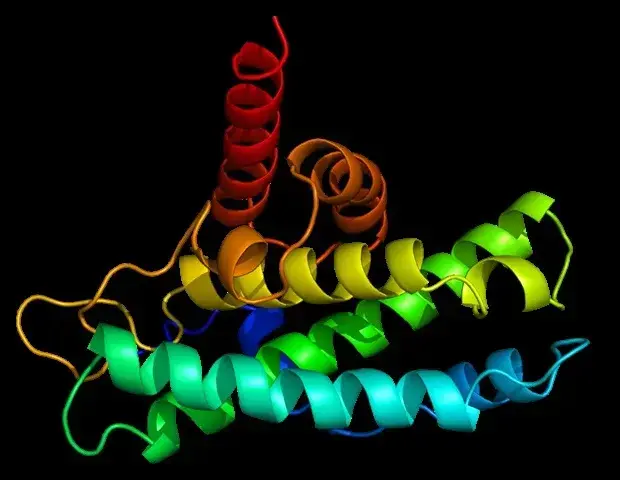
The study focused on mitochondria, often called the powerhouses of the cell. These tiny organelles are crucial for energy production. Scientists observed that when a particular protein within mitochondria is deficient, it alters how the body processes energy. This change appears to directly influence food preferences.
Can Targeting Mitochondria Help Combat Obesity?
The research suggests that this protein deficiency might send signals to the brain. These signals could then increase the craving for high-fat foods. This creates a vicious cycle, where a cellular imbalance leads to dietary choices that further exacerbate the problem.
This new understanding opens doors for potential new treatments. If scientists can find ways to restore or boost the levels of this mitochondrial protein, it might reduce cravings for fatty foods. This could offer a novel approach to weight management. It moves beyond simply counting calories or increasing exercise.
The findings highlight the intricate connection between cellular health and dietary behavior. They suggest that some individuals might be predisposed to overeating fatty foods due to their cellular makeup. Future research will likely explore therapeutic interventions based on these insights.
Frequently Asked Questions
What is the main finding of the Osaka Metropolitan University study? The study found that a deficiency in a specific mitochondrial protein can lead to increased cravings for high-fat foods, contributing to obesity.
How does mitochondrial protein deficiency affect food intake? The deficiency alters cellular energy processing, which in turn influences brain signals that increase the desire for fatty foods.
What are the potential implications of this research for obesity treatment? This discovery could lead to new treatments that target mitochondrial protein levels to reduce fat cravings and help manage obesity.
More stories: