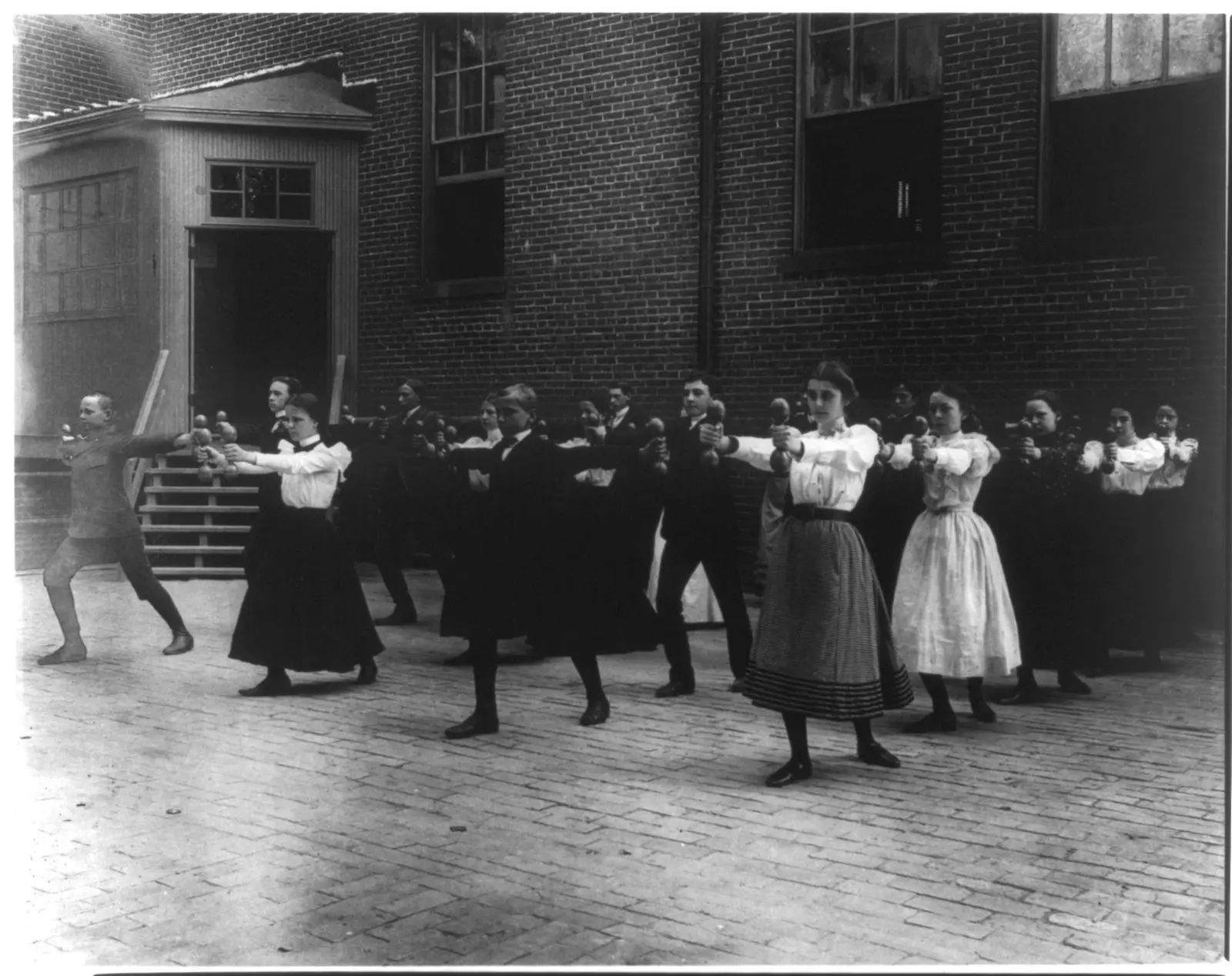
Napoleon Bonaparte may hold a surprising share of the blame for the current weightlifting craze among young people
From Endurance
A significant portion of British young adults now value gym memberships over traditional leisure activities like holidays or dining out. Recent data indicates a major shift in exercise preferences for this demographic. They are moving away from endurance sports and group fitness classes. Instead, they are prioritizing strength training and heavy lifting. This trend marks a distinct departure from previous generations' workout habits. The change reflects a broader cultural reevaluation of physical fitness goals.
Wellness Alert
 Emotional Intelligence Linked to Workplace Resilience, New Study Finds
 Take Charge of Your Health: Why You Are Your Best Medical Advocate
 Anxiety in the practice room: How performance stress shapes student well-being
 Stop Believing Everything You Hear: The Hidden Cost of Unverified Information
The shift is not merely about aesthetics; it is about how society views physical capability. Historically, fitness culture often emphasized cardiovascular health and endurance. Running and swimming dominated the landscape for decades. However, the modern narrative has evolved. Young adults now view muscle mass as a key indicator of overall health. This perspective aligns with a growing appreciation for functional strength. The appeal lies in the tangible results of resistance training. Users report feeling stronger and more capable in daily life. This psychological benefit drives the surge in gym attendance. The focus has moved from burning calories to building capacity.
Why Strength Training Wins
The reasons behind this exercise revolution are complex and multifaceted. One driving factor is the desire for visible, measurable progress. Weightlifting offers clear metrics through increased lift weights. This provides a sense of achievement that other forms of exercise may lack. Additionally, social media has amplified the visibility of strength athletes. Influencers showcase impressive feats of power, inspiring followers to replicate their routines. The community aspect of gyms also plays a crucial role. Many young people find motivation in shared goals and peer support. The structured environment helps maintain consistency. Furthermore, there is a growing awareness of the long-term benefits of muscle mass. Stronger muscles protect joints and improve metabolic health. This knowledge encourages early adoption of strength training habits.
Why are Gen Z abandoning cardio? Young adults are shifting toward strength training because they perceive it as more effective for overall health. They prioritize building muscle mass and functional strength over pure endurance metrics.
Frequently Asked Questions
What does the new data show? More than twenty-five percent of young Britons now rank gym memberships higher than holidays or eating out. This statistic highlights the rising importance of physical training in their lifestyle choices.
How does this compare to past trends? Previous generations favored running, swimming, and group fitness classes. The current generation rejects these in favor of heavy lifting and resistance work. This represents a fundamental change in fitness priorities.
More stories: