People Face Judgment Regardless of Weight Loss Journey
The Stigma of „Easy” Weight Loss
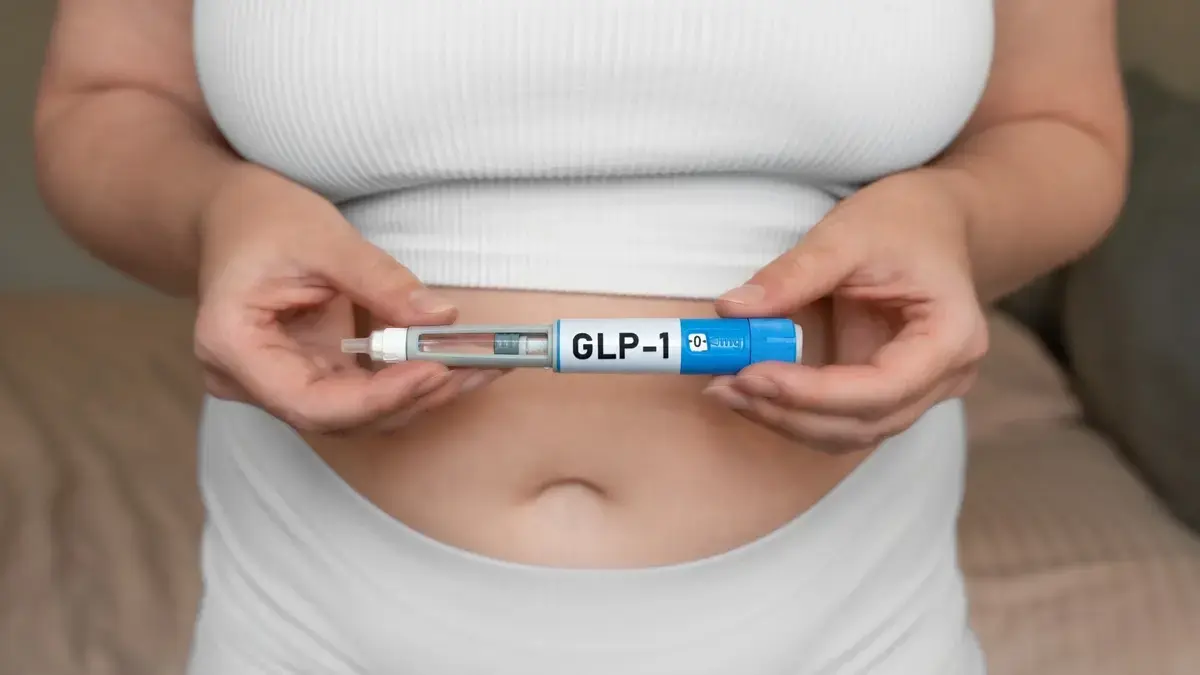
New research indicates individuals using GLP-1 medications for weight loss may experience harsher judgment. The study examined societal perceptions of weight change, regardless of how it’s achieved. Researchers found stigma exists for those losing, regaining, or maintaining weight. This occurred despite using medical interventions.
Wellness Alert
 Millions of Toothpaste Tubes Recalled Over Safety Concerns
 Understanding How Social Circles Boost Student Fitness
 New Depression Subtype Linked to Body Clock Identified
 AI Facial Analysis Predicts Cancer Survival Rates
The investigation revealed a surprising disconnect. While society often praises weight loss, it doesn’t extend to acceptance of the methods used. Participants in the study consistently judged those using medication more critically than those dieting conventionally. This suggests a bias against seeking medical assistance for weight management. The research highlights a complex issue surrounding body image and health choices.
The study involved presenting scenarios to participants. These scenarios detailed individuals losing or regaining weight. Some used GLP-1 drugs, while others followed traditional diets. Results showed people viewed those on medication with suspicion. They were often perceived as lacking willpower or taking the „easy way out.” This negative perception persisted even when the weight loss was successful.
Does Medication Remove Accountability?
Researchers believe this stems from deeply ingrained beliefs. Society often equates effort with virtue. Weight loss achieved through medication bypasses the perceived „hard work” of dieting and exercise. This can trigger negative judgments and a lack of empathy. Lauren Hardaker, who reviewed the study, noted the findings were concerning. „It reveals a significant societal bias impacting individuals’ mental wellbeing,” she stated.
The research also explored perceptions of weight regain. Interestingly, individuals who regained weight after using GLP-1 drugs faced even more criticism. Participants viewed them as having „failed” not only at maintaining weight loss, but also at utilizing the medication effectively. This contrasts with those regaining weight after dieting, who were seen as facing a common struggle.
This suggests a belief that medication should provide a permanent solution. When weight returns, it’s interpreted as a personal failing, rather than a chronic condition. Vijay Kumar Malesu, the lead researcher, explained the implications. „The study shows people hold individuals on GLP-1 to a higher standard,” he said. „There’s an expectation of complete and lasting success, which isn’t realistic.”
Frequently Asked Questions
The consequences of this stigma are significant. It can lead to shame, anxiety, and decreased self-esteem. Individuals may be hesitant to seek medical help for obesity. They fear judgment and social repercussions. This could hinder effective treatment and perpetuate negative health outcomes. Understanding these biases is crucial for fostering a more supportive and compassionate environment. Future research should focus on strategies to combat this stigma and promote acceptance of all weight loss journeys.
What are GLP-1 medications? GLP-1 receptor agonists are drugs originally developed for diabetes. They’ve proven effective in promoting weight loss by regulating appetite and improving insulin sensitivity. They are now widely used as a treatment for obesity.
Is weight regain common with GLP-1 drugs? Like any weight loss intervention, weight regain is possible after stopping GLP-1 medication. Maintaining weight loss requires ongoing lifestyle changes, including diet and exercise. It’s a chronic condition needing continued management.
More stories: