5 Heart-Healthy Fruits to Add Color and Nutrition to Your Diet
Red Grapes BOOMBITES™
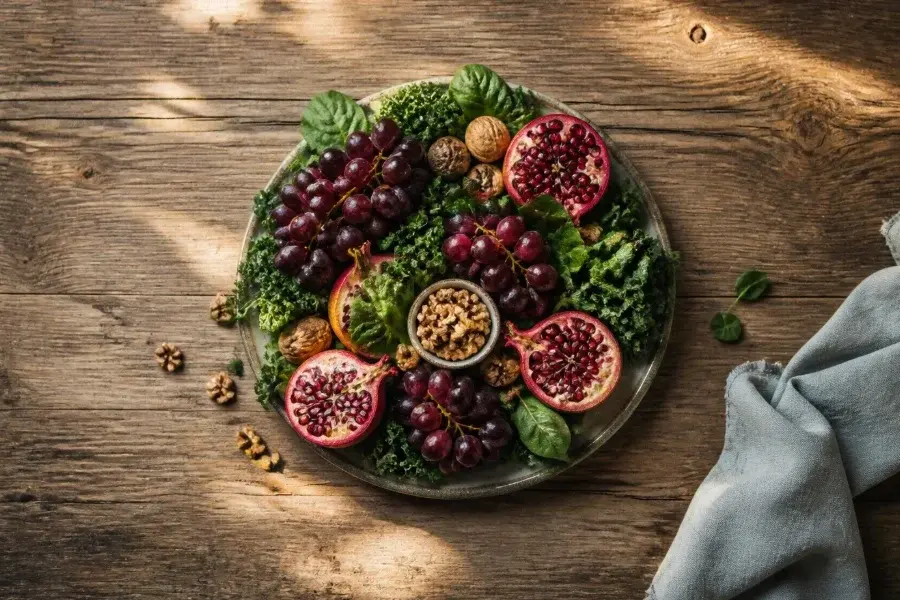
These grapes are unique, juicy, and delicious. Though they taste like typical table grapes, their deep red pulp resembles cherries or strawberries. This color comes from anthocyanins, a type of polyphenol. Studies show they contain six times more anthocyanins than traditional black grapes. Anthocyanins are linked to health benefits, including cardiovascular support. A recent systematic review in the American Journal of Clinical Nutrition found that high anthocyanin intake reduces overall CVD risk by 26%. Research also suggests polyphenol-rich diets may lower CVD risk by up to 46%, though more studies are needed.
Wellness Alert
 Emotional Intelligence Linked to Workplace Resilience, New Study Finds
 Take Charge of Your Health: Why You Are Your Best Medical Advocate
 Anxiety in the practice room: How performance stress shapes student well-being
 Stop Believing Everything You Hear: The Hidden Cost of Unverified Information
Apples
Apples offer more than just a crunchy taste. They contain soluble fiber, especially pectin, which may help reduce cholesterol absorption in the digestive tract. Apples also contain flavonoids, plant compounds associated with possible cardiovascular benefits.
Citrus Fruits
Oranges, lemons, grapefruits, and limes make up this group. A study published in an epidemiology journal found regular citrus fruit consumption reduces CVD risk compared to low-intake diets. Daily citrus intake was linked to a CVD risk reduction between 43% and 49%. These fruits are rich in flavonoids, particularly hesperidin and naringin, which may help regulate blood pressure. Potassium in citrus helps balance sodium levels and supports healthy blood pressure. Professor Abellán-Alemán advises eating whole fruit, not just juice, to gain fiber benefits.
Known as a delicious summer treat, cherries contain anthocyanins and flavonoids. While more research is needed, emerging studies show cherry consumption may help reduce CVD risk by lowering blood pressure and improving endothelial function. The endothelium is a thin layer of cells lining arteries and veins, helping blood vessels relax and widen, thus improving blood flow.
Cherries
The seeds of this red fruit are perfect for sprinkling over salads or yogurt, adding a crunchy texture. Due to their polyphenol content, pomegranates and their seeds may support heart health, according to emerging research. Professor Abellán-Alemán notes pomegranates are rich in polyphenols, especially anthocyanins, which have antioxidant properties. This means they may help neutralize unstable molecules called free radicals that can damage cells and contribute to heart problems. More studies are needed to confirm these effects.
Pomegranate
In conclusion, supporting heart health is vital for overall well-being, which involves regular and varied fruit consumption. Professor José Abellán-Alemán summarizes: „While these five are among my favorites for heart health, remember all fruits contain different nutrients and plant compounds, so ensure you eat a constant variety. Plus, we all need at least five colorful fruits and vegetables daily.”
More stories: