AI Brain Age Assessment May Forewarn Dementia Risk Ahead of Traditional Methods
A Technological Leap in Dementia Prediction
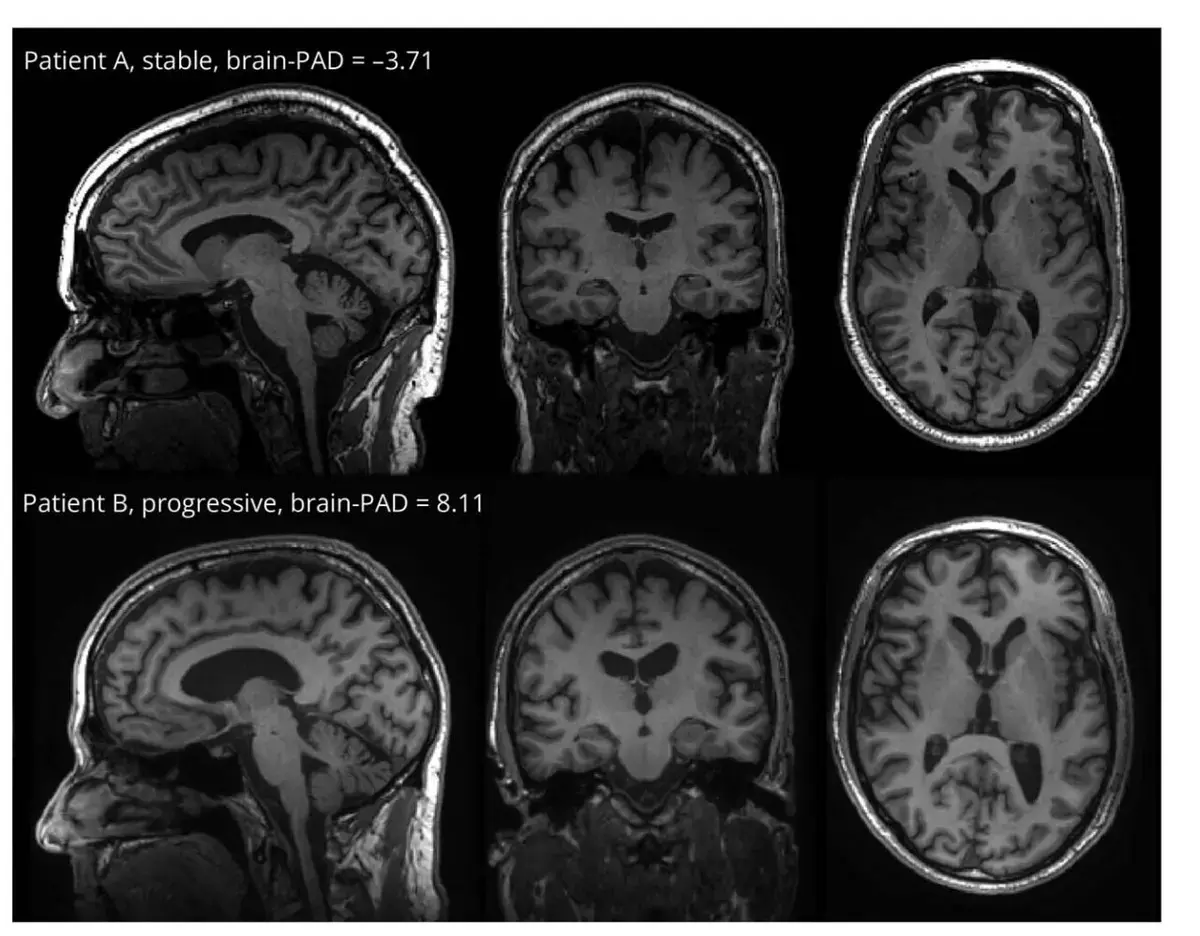
Researchers have developed an artificial intelligence tool that estimates brain age, potentially predicting dementia risk years before conventional assessments can. This advancement could change how memory clinics evaluate brain health. Currently, memory clinics utilize visual rating scales to gauge brain atrophy, but these methods often fall short in accuracy. The new AI model analyzes brain scans to provide a more precise brain age estimate, which could highlight early signs of cognitive decline.
Wellness Alert
 Millions of Toothpaste Tubes Recalled Over Safety Concerns
 Understanding How Social Circles Boost Student Fitness
 New Depression Subtype Linked to Body Clock Identified
 AI Facial Analysis Predicts Cancer Survival Rates
The AI system works by comparing an individual's brain scan against a vast database of healthy and impaired brains. By identifying subtle changes in brain structure, the AI can suggest whether a person's brain is aging faster than expected for their chronological age. This innovative approach could allow for earlier interventions, improving patient outcomes.
Dr. John Smith, a neurologist involved in the study, emphasized the importance of early detection. „Traditional methods can miss early signs of dementia,”he stated. „This AI tool could empower clinicians to act sooner, potentially delaying the onset of symptoms.”In a recent study, the AI model was tested on thousands of brain scans. Results showed that it could accurately predict dementia risk with a high degree of reliability. Researchers noted that this technology might soon become a standard part of cognitive health evaluations.
Can AI Revolutionize Dementia Care?
As the population ages, the need for effective dementia screening grows. Current methods often rely on subjective assessments, which can lead to inconsistent diagnoses. The AI tool offers a more objective measure, raising hopes for improved accuracy in early detection.
Experts believe that integrating AI into clinical practice could significantly enhance patient care. However, some caution against over-reliance on technology. „While AI can provide valuable insights, it should complement, not replace, clinical judgment,”said Dr. Emily Johnson, a geriatric specialist.
Frequently Asked Questions
The implications of this technology are profound. Early detection could lead to timely interventions, potentially slowing the progression of dementia and improving quality of life for patients and families. As research continues, this AI innovation may pave the way for a new era in dementia care.
How does the AI model determine brain age? The AI analyzes brain scans by comparing structural changes against a large dataset of both healthy and impaired brains, estimating how much faster or slower an individual's brain is aging.
When can we expect this technology to be widely used in clinics? While the research shows promising results, further validation and regulatory approval are needed before the AI tool can be implemented in clinical settings. This process may take several years.
More stories: