Brain Wiring Changes Mapped Across Human Lifespan
Charting Brain Connectivity
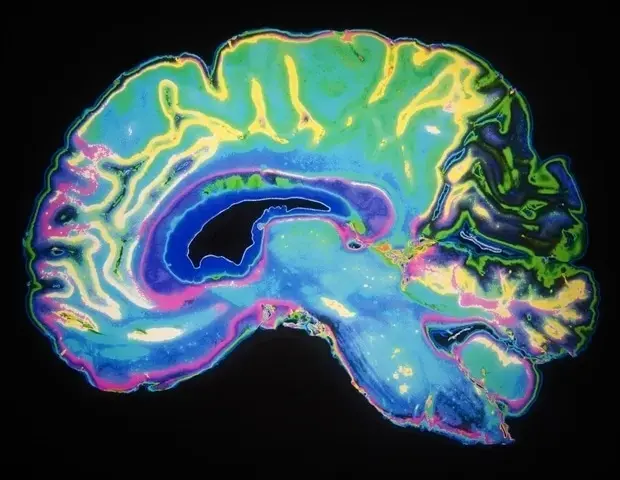
Researchers at the USC Mark and Mary Stevens Neuroimaging and Informatics Institute have developed a groundbreaking reference model of the human brain. The model, based on diffusion MRI scans from over 54,000 individuals, reveals how brain communication networks change throughout a person's life. This achievement marks a significant milestone in understanding brain development and function. The research was conducted at the Keck School of Medicine of USC.
Wellness Alert
 Emotional Intelligence Linked to Workplace Resilience, New Study Finds
 Take Charge of Your Health: Why You Are Your Best Medical Advocate
 Anxiety in the practice room: How performance stress shapes student well-being
 Stop Believing Everything You Hear: The Hidden Cost of Unverified Information
The new reference model provides unprecedented insights into the dynamic changes occurring in the brain's wiring across the human lifespan. By analyzing MRI scans from such a large and diverse group, scientists can now better understand how brain connectivity evolves from childhood into old age. This knowledge could lead to a deeper understanding of cognitive development and decline.
The researchers utilized advanced imaging techniques to map the brain's communication networks. These networks, which consist of white matter tracts, play a crucial role in facilitating information exchange between different brain regions. The study's findings have significant implications for the diagnosis and treatment of neurological and psychiatric disorders.
What Do These Changes Mean for Brain Health?
The changes in brain wiring observed across the lifespan raise important questions about brain health and function. As people age, do changes in brain connectivity contribute to cognitive decline or increased susceptibility to neurological disorders? Further research is needed to fully understand the relationship between brain wiring and brain health.
The development of this reference model represents a major step forward in neuroscience research. As scientists continue to refine and expand this model, they will gain a better understanding of the complex relationships between brain structure, function, and behavior. This knowledge will ultimately inform the development of more effective treatments for a range of neurological and psychiatric conditions.
Frequently Asked Questions
Q: What is the significance of the new brain reference model? A: The model provides a comprehensive understanding of how brain communication networks change across the human lifespan. It was developed using diffusion MRI scans from over 54,000 individuals.
Q: How will this research impact our understanding of brain health? A: The study's findings will help scientists better understand the relationship between brain wiring and brain health, which could lead to more effective treatments for neurological and psychiatric disorders.
Q: What are the potential applications of this research? A: The research has significant implications for the diagnosis and treatment of neurological and psychiatric disorders, such as Alzheimer's disease, depression, and anxiety disorders.
More stories: