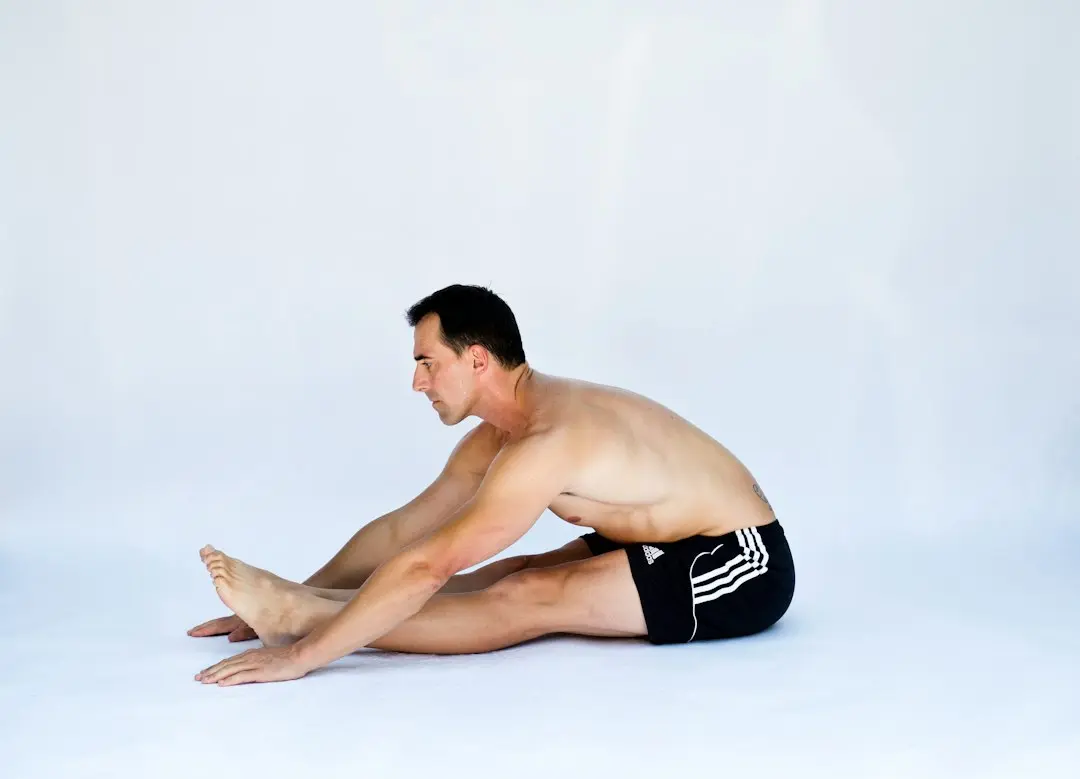
Creatine Boosts Muscle Gains Without Exercise, New Study Reveals
Separating Supplement Effects from Lifestyle Factors
Researchers at Texas A&M University have discovered that creatine supplementation can increase muscle mass and strength in middle-aged adults. This finding emerged from a twelve-week clinical trial conducted in the United States. The study focused on individuals who did not follow a structured workout regimen. Results suggest the supplement offers benefits independent of physical training.
Wellness Alert
 Millions of Toothpaste Tubes Recalled Over Safety Concerns
 Understanding How Social Circles Boost Student Fitness
 New Depression Subtype Linked to Body Clock Identified
 AI Facial Analysis Predicts Cancer Survival Rates
The investigation examined how dietary supplements interact with aging bodies. Middle-aged participants received creatine doses while maintaining their daily habits. Some also engaged in exercise and calorie restriction. The primary goal was to isolate the effect of the compound. Scientists measured changes in lean body mass and functional strength. The data indicated significant improvements in the supplement-only group.
The study design allowed researchers to distinguish between different variables. Traditional wisdom holds that muscle growth requires mechanical stress from lifting weights. However, this trial challenged that assumption for a specific demographic. Creatine appears to enhance cellular energy production in muscle tissue. This mechanism may support protein synthesis even during periods of inactivity. The findings are particularly relevant for those with limited mobility. It also applies to individuals who struggle to maintain consistent gym routines. The chemical process aids in recovery and cellular function. This biological advantage persists regardless of external physical exertion.
Does Creatine Replace the Need for Physical Activity?
The research team monitored participants closely throughout the twelve-week period. Blood tests and physical assessments provided comprehensive data. No serious adverse effects were reported during the intervention. The results align with previous animal studies but extend to human subjects. This adds a crucial layer of evidence to the existing literature. The study highlights the potential of nutritional interventions for aging populations. It suggests that diet alone can influence muscle physiology significantly.
Experts caution against interpreting these results as a substitute for exercise. Regular physical activity remains vital for cardiovascular health and bone density. Creatine supplementation should be viewed as an adjunct, not a replacement. The study specifically targeted muscle mass and strength metrics. It did not measure overall fitness or longevity outcomes. Therefore, a holistic approach to health is still recommended. The supplement works best when integrated into a balanced lifestyle. It offers a tool for those who cannot perform intense training. This nuance is critical for public understanding of the findings.
Frequently Asked Questions
Can creatine build muscle without any exercise at all? Yes, the study found that middle-aged adults gained muscle and strength using creatine alone. However, experts note that exercise remains essential for overall health and fitness.
Who participated in this specific research trial? The study focused on middle-aged adults in the United States. These participants were divided into groups with and without structured workout programs.
How long did the researchers observe these effects? The clinical trial lasted for twelve weeks. During this period, researchers tracked changes in lean body mass and strength levels.
More stories: