Mindful Minutes: Three Simple Ways to Connect Body and Mind
Body Scan: Listening to Physical Signals
In today’s fast‑paced world, a quick pause can help people feel more centered. A new set of guided practices, released this week, offers simple steps to tune into the body and calm the mind. The program is available on popular wellness platforms and can be practiced at home, at work, or anywhere a quiet space can be found.
Wellness Alert
 Millions of Toothpaste Tubes Recalled Over Safety Concerns
 Understanding How Social Circles Boost Student Fitness
 New Depression Subtype Linked to Body Clock Identified
 AI Facial Analysis Predicts Cancer Survival Rates
These exercises focus on the body’s signals and the breath, showing how physical sensations can influence thoughts and emotions. By paying attention to the present moment, users report less stress, clearer thinking, and a stronger sense of wellbeing. The creators emphasize that the mind and body are two sides of the same coin, and small daily habits can strengthen their partnership.
The first practice, a body scan, invites people to move their attention slowly from head to toe.
The guided voice gently notes tension, warmth, or tingling. This awareness helps identify areas of discomfort that may be linked to stress or poor posture. When a muscle tightens, the breath deepens, encouraging relaxation. Users say the scan feels like a gentle massage for the mind.
Breath Awareness: Anchoring the Mind
Studies on body‑mind integration suggest that noticing physical cues can reduce anxiety by up to 30 percent. The practice also helps people recognize early warning signs of fatigue, allowing them to adjust their habits before problems arise.
Next comes breath awareness, a technique that centers attention on inhaling and exhaling. By counting breaths or focusing on the rhythm of the chest, practitioners create a stable anchor.
This simple exercise can be done in as little as two minutes and is especially useful during stressful meetings or before sleep.
Experts note that mindful breathing slows the nervous system, lowering heart rate and blood pressure. Regular practice also improves concentration, as the mind learns to return to a single point of focus whenever it wanders.
Movement Meditation: Bridging Mind and Body
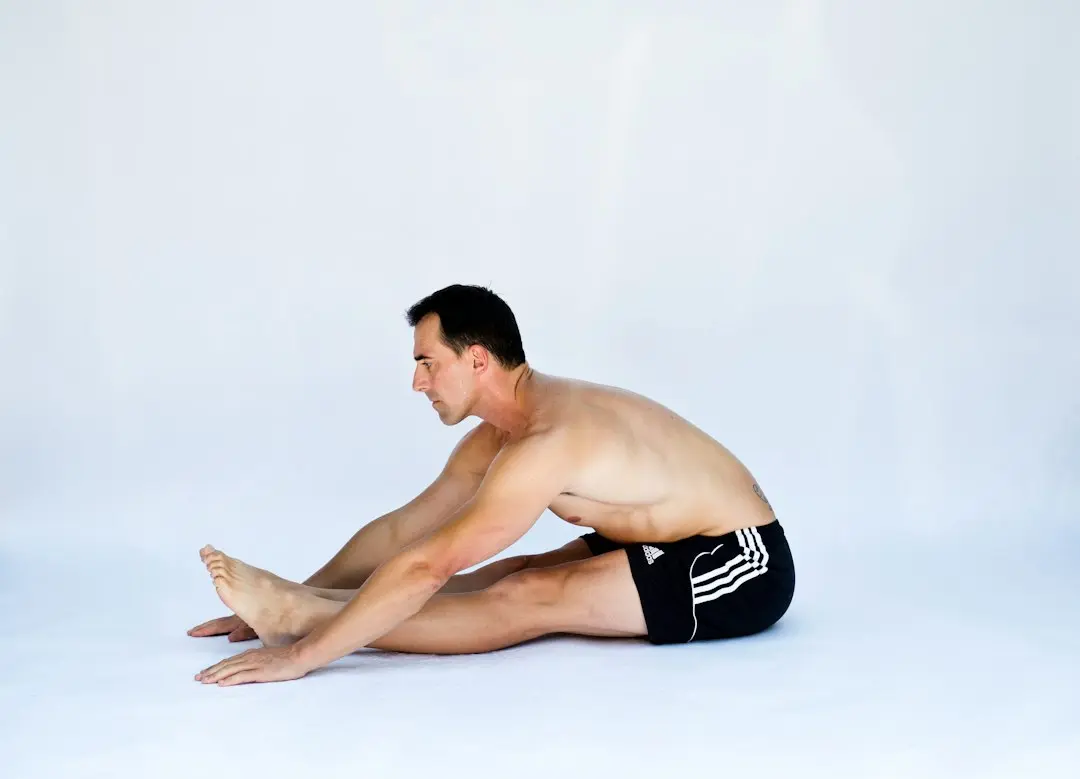
The third exercise blends gentle movement with mindful attention. Participants might walk slowly, stretch, or perform light yoga poses while maintaining awareness of each motion. The goal is to synchronize breath with movement, creating a rhythmic flow that unites body and mind.
Research shows that movement meditation can boost mood and increase energy levels. By engaging muscles consciously, people also develop better body awareness, which helps prevent injury and supports healthy habits.
Adopting these three practices can transform daily life.
Frequently Asked Questions
Even a few minutes each day builds resilience, improves emotional regulation, and fosters a deeper connection with oneself. As people report, the benefits extend to relationships, work performance, and overall health.
How long should I practice each exercise? A minimum of five minutes per session is recommended, but even a single minute can be beneficial.
Do I need special equipment? No. All practices require only a quiet space and a comfortable position.
Can these practices replace medical treatment? No. They complement professional care but are not substitutes for medical advice.
More stories: