One-third of Australians aged 45-74 now flagged for preventive heart medication
How the new risk calculator changes prevention thresholds
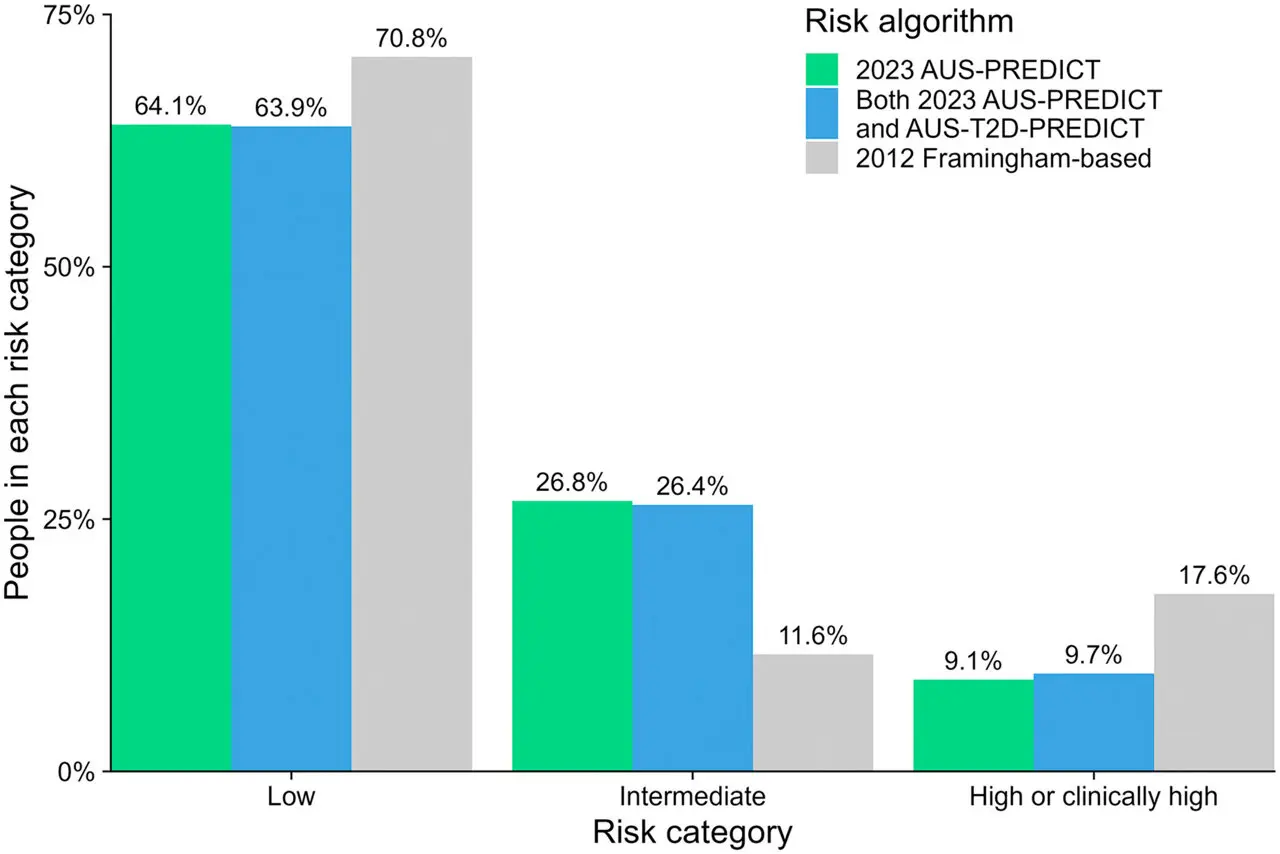
Australia's updated cardiovascular disease risk calculator has reclassified a significant portion of adults aged 45 to 74 into an intermediate risk category for heart attack and stroke, according to new analysis published in the Medical Journal of Australia. The revised tool, which incorporates additional risk factors and population-specific data, suggests that approximately one-third of Australians in this age group could benefit from preventive medications such as statins or blood pressure drugs, even if they have not previously been considered high risk. This shift reflects a broader effort to identify and treat cardiovascular risk earlier, before symptoms appear.
Wellness Alert
 New Depression Subtype Linked to Body Clock Identified
 AI Facial Analysis Predicts Cancer Survival Rates
 Optimizing Daily Habits for Improved Digestive Function
 Rapport Therapeutics Reports Positive Phase 2 Results for RAP-219 in Bipolar Mania
The updated calculator, developed by the Australian Cardiovascular Alliance, now includes factors like chronic kidney disease, family history of premature heart disease, and socioeconomic status, which were not fully weighted in the previous version. As a result, many individuals who previously fell into the low riskcategory are now being flagged as having a 5-10% chance of a cardiovascular event over the next five years—the threshold at which guidelines recommend considering preventive therapy. Researchers analyzed data from over 10,000 participants in the AusDiab study and found that the reclassification was most pronounced among women and those living in regional areas, where access to preventive care has historically been limited.
Why are more Australians being labeled intermediate risk?
The change does not mean Australians are suddenly less healthy; rather, it reflects a more nuanced understanding of how risk accumulates over time and across different populations. By lowering the threshold for intervention, health authorities aim to prevent heart attacks and strokes before they occur, particularly in groups that may not exhibit traditional warning signs like high cholesterol or hypertension. Preventive medications, when combined with lifestyle changes, have been shown to reduce cardiovascular events by up to 30% in intermediate-risk individuals, according to the study's modeling. General practitioners are being encouraged to use the tool during routine check-ups to facilitate shared decision-making with patients.
For many, this could mean a conversation with their doctor about starting medication earlier than expected, even if they feel perfectly well. While some may worry about overmedicalization, experts emphasize that the goal is not to prescribe drugs indiscriminately but to ensure that those who stand to gain the most from prevention are not overlooked. The updated calculator is now being integrated into national clinical guidelines and electronic health record systems to support consistent use across primary care settings.
What does this mean for everyday Australians?
Who exactly is affected by this change? Adults aged 45 to 74 who were previously classified as low risk but now fall into the intermediate risk category—estimated at about one in three Australians in this age group—are the primary group impacted by the updated calculator.
Frequently Asked Questions
Do I need to take medication if I'm flagged as intermediate risk? Not automatically. The recommendation is to discuss options with your GP, weighing benefits against potential side effects, and considering lifestyle changes first. Medication is considered when risk reduction is likely to outweigh risks, based on individual circumstances.
Will this increase healthcare costs in Australia? While there may be short-term increases in medication use and GP visits, long-term savings are expected from preventing costly heart attacks, strokes, hospitalizations, and rehabilitation, which far exceed the cost of preventive care.
More stories: