Research Shows Strong Link Between Ultra‑Processed Foods and Declining Health
Nova’s Role in Defining Ultra‑Processed Food Risks
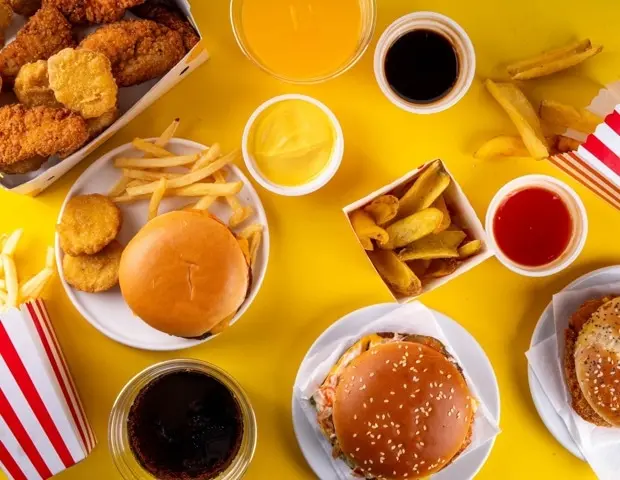
An Oregon Research Institute study released September 23, 2026 found that greater intake of ultra‑processed foods correlates with worse health outcomes. The investigation employed the Nova classification system, which groups foods by extent and purpose of industrial processing, to assess dietary patterns.
Wellness Alert
 Millions of Toothpaste Tubes Recalled Over Safety Concerns
 Understanding How Social Circles Boost Student Fitness
 New Depression Subtype Linked to Body Clock Identified
 AI Facial Analysis Predicts Cancer Survival Rates
Researchers analyzed national dietary surveys and health records, comparing participants with high ultra‑processed food consumption to those with lower intake. Nova’s ultra‑processed tier captures items such as packaged snacks, ready‑to‑eat meals, and sugary beverages, which undergo extensive industrial formulation. The link suggests that additives, emulsifiers, and high sugar content may drive adverse health effects.
The Oregon study examined dietary logs from over 10,000 adults and tracked health outcomes over a two‑year period. Participants consuming the highest quartile of ultra‑processed foods showed measurable declines in cardiovascular markers and body composition indicators.
Are Ultra‑Processed Foods Undermining Public Health?
Nova groups foods based on how much they are altered during manufacturing, from minimally processed to ultra‑processed. Foods in the ultra‑processed tier typically contain multiple additives, high levels of sugar, salt, and fat, and are designed for convenience and extended shelf life. Experts say that the convenience and engineered taste of these products encourage higher intake, compounding health risks identified in the study.
If current trends persist, public health officials warn that rising reliance on ultra‑processed foods could strain healthcare systems and widen nutritional disparities. The study calls for clearer labeling and policies that limit excessive consumption of these items.
Frequently Asked Questions
What is the Nova classification system? Nova categorizes foods by the extent and purpose of industrial processing, ranging from unprocessed to ultra‑processed, helping researchers differentiate food types in dietary analyses.
How did the Oregon study link ultra‑processed foods to health outcomes? By comparing dietary records of participants with high ultra‑processed food intake to health metrics, the study found a clear association between higher consumption and poorer cardiovascular and body composition measures.
Why is the study's timing significant? Published on September 23, 2026, the research adds to a growing body of evidence highlighting the health impacts of ultra‑processed foods, reinforcing calls for policy action.
More stories: