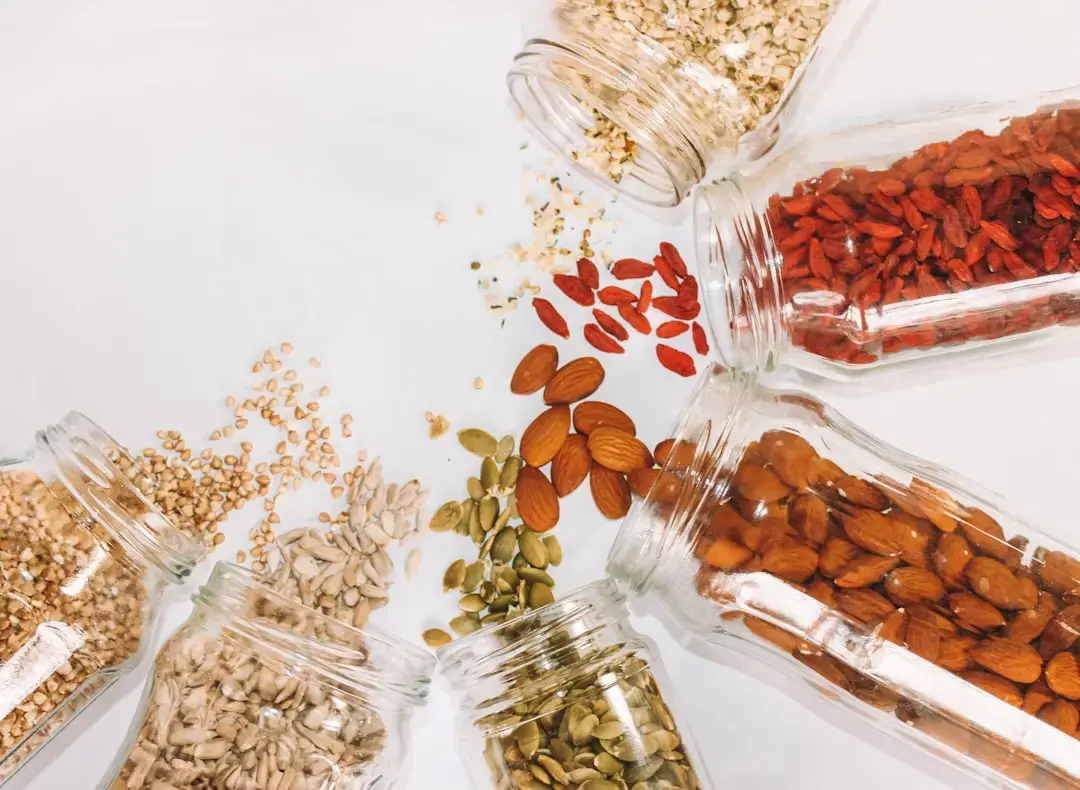
Superfood Week: A Dietitian’s Take on One Journalist’s Experiment
Real‑World Results: Energy, Digestion, and Cravings
A health writer spent seven days eating only nutrient‑dense whole foods, guided by Michael Reavis Jr., a clinical dietitian at the University of Maryland Medical Center. She logged every meal, from leafy greens to berries, and reported changes in energy, digestion, and mood. The trial began on a Monday in early spring and concluded with a reflection on what „superfood” truly means.
Wellness Alert
 Emotional Intelligence Linked to Workplace Resilience, New Study Finds
 Take Charge of Your Health: Why You Are Your Best Medical Advocate
 Anxiety in the practice room: How performance stress shapes student well-being
 Stop Believing Everything You Hear: The Hidden Cost of Unverified Information
Reavis emphasized that „superfood” should refer to whole foods naturally rich in vitamins, minerals, and phytonutrients, not trendy powders or isolated extracts. The writer’s menu avoided processed snacks, refined sugars, and added oils, focusing instead on foods like kale, quinoa, blueberries, salmon, and almonds. She tracked blood sugar spikes, satiety levels, and overall well‑being, while the dietitian offered daily feedback on portion sizes and nutrient balance.
By mid‑week, the journalist noted steadier energy without the afternoon slump common after carbohydrate‑heavy lunches. „I felt fuller longer, and my cravings for sugary snacks faded,” she said. Digestive comfort improved, with fewer bloating episodes, which Reavis attributed to the high fiber content of the chosen foods. Blood sugar readings taken each evening showed fewer spikes compared to her typical diet, suggesting better glycemic control. However, she also experienced a mild headache on day three, likely due to reduced caffeine intake.
Could a Superfood‑Only Diet Be Sustainable Long‑Term?
The dietitian highlighted that the benefits stemmed from a balanced intake of macronutrients and micronutrients rather than any single „magic” ingredient. „When you fill the plate with a variety of colors, you naturally cover most nutritional bases,” Reavis explained. The writer’s weight remained stable, but she reported a slight reduction in waist circumference, a common early sign of decreased inflammation.
The experiment raised questions about practicality. While the week proved energizing, the writer admitted that sourcing fresh, organic produce for every meal was costly and time‑consuming. Meal planning required careful coordination to avoid nutrient gaps, especially for vitamin B12 and omega‑3 fatty acids, which she secured through fortified foods and fatty fish. Reavis warned that a strict „superfood” regimen might lead to monotony and eventual nutrient deficiencies if not varied.
Looking ahead, the journalist plans to integrate the most beneficial habits—regular vegetable servings, whole grains, and lean proteins—into her everyday routine, rather than maintaining an all‑or‑nothing approach. She aims to balance convenience with nutrition, using the week’s insights to guide future grocery lists.
Frequently Asked Questions
What qualifies as a „superfood” in this context? A superfood is any whole, minimally processed food naturally high in essential nutrients, such as leafy greens, berries, nuts, seeds, and fatty fish.
Did the writer experience any negative side effects? She had a brief headache on day three, likely from cutting caffeine, and felt occasional fatigue when meals were not evenly balanced.
Is a week-long superfood diet advisable for most people? It can be a useful reset, but long‑term adherence may be impractical due to cost and variety needs; a balanced, flexible approach is generally recommended.
More stories: