Youth-designed 'blue-green' spaces boost resilience and mental wellness for Appalachian adolescents
Designing for Mental Wellness
In rural Appalachian communities, adolescents face significant mental health risks and geographic isolation. A recent study from Georgetown University's Berkley School of Nursing explores how youth-led environmental design can promote mental wellness. The research focuses on Appalachian adolescents, who are disproportionately affected by mental health issues.
Wellness Alert
 Emotional Intelligence Linked to Workplace Resilience, New Study Finds
 Take Charge of Your Health: Why You Are Your Best Medical Advocate
 Anxiety in the practice room: How performance stress shapes student well-being
 Stop Believing Everything You Hear: The Hidden Cost of Unverified Information
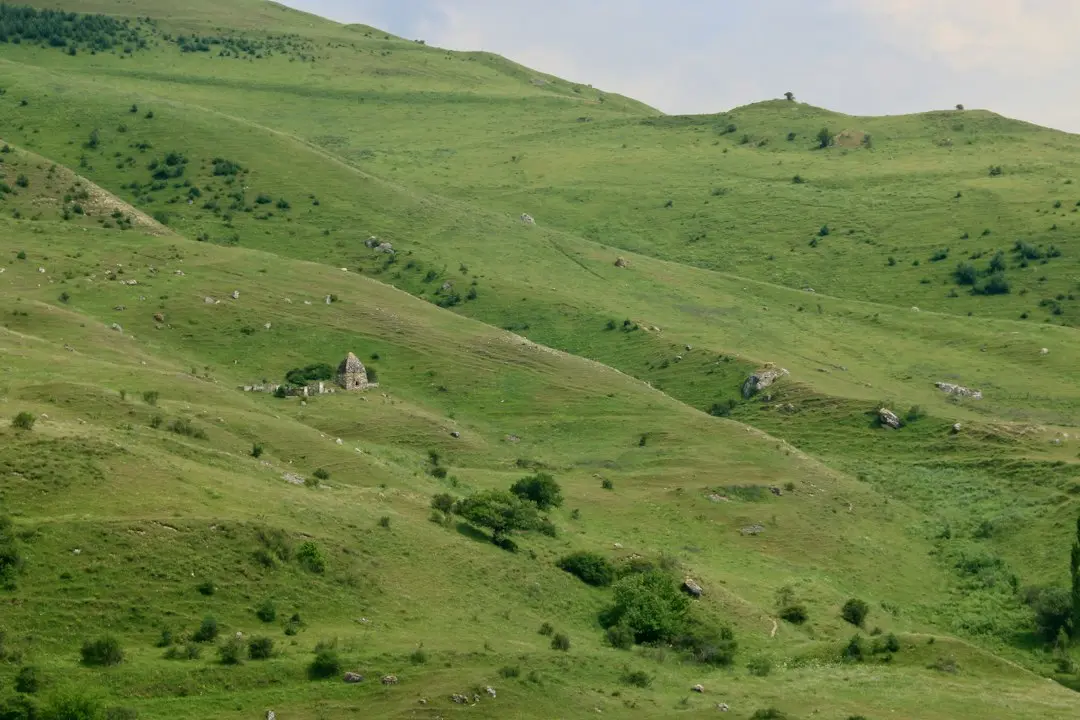
The study suggests that youth-designed 'blue-green' spaces – areas that combine water and green environments – can foster resilience and improve mental health. These spaces are tailored to meet the unique needs of local adolescents. By involving young people in the design process, the initiative aims to create spaces that are both functional and appealing to them.
Can Environmental Design Be a Tool for Mental Health?
The research involved collaborating with local youth to design and implement 'blue-green' spaces in their communities. This approach not only empowers adolescents but also ensures that the resulting spaces are relevant and useful to them. According to the study, such participatory design processes can play a crucial role in enhancing mental wellness.
Frequently Asked Questions
The study's findings highlight the potential of environmental design as a tool for promoting mental health. By creating spaces that are conducive to relaxation and recreation, communities can help mitigate the mental health risks faced by adolescents. The research underscores the importance of community-based initiatives that prioritize youth involvement.
The consequences of inaction are significant, with adolescents in rural Appalachian communities continuing to face heightened mental health risks. However, by investing in youth-led environmental design, there is potential for positive change. As this approach is further developed and implemented, it could offer a valuable strategy for enhancing mental wellness in similar communities.
More stories: