GLP-1 Drugs Show Potential in Cancer Prevention
Beyond Blood Sugar: How Do They Work?
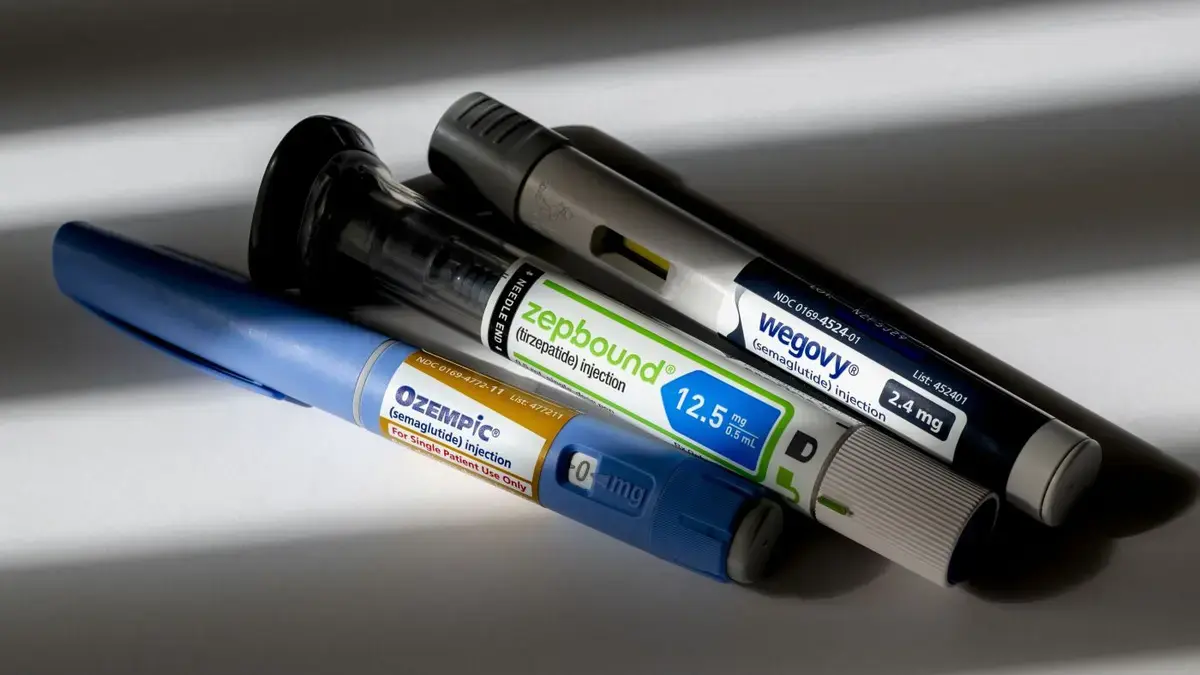
New research indicates that GLP-1 receptor agonists—drugs originally designed for weight loss and diabetes—may offer protection against certain cancers. Studies are emerging that suggest these medications could not only prevent cancer development but also slow its progression. Investigations are now focused on understanding the underlying mechanisms.
Wellness Alert
 Millions of Toothpaste Tubes Recalled Over Safety Concerns
 Understanding How Social Circles Boost Student Fitness
 New Depression Subtype Linked to Body Clock Identified
 AI Facial Analysis Predicts Cancer Survival Rates
These drugs, including semaglutide and liraglutide, have gained widespread attention for their effectiveness in managing type 2 diabetes and obesity. Now, scientists are observing unexpected benefits beyond metabolic control. Initial findings stem from analyzing data from large patient groups already using GLP-1s for other health reasons. Researchers noticed lower rates of certain cancers in these individuals compared to control groups.
The exact way GLP-1s might combat cancer remains a mystery. However, several theories are being explored. One possibility is that the drugs impact the tumor microenvironment, making it harder for cancer cells to thrive. GLP-1s appear to influence the immune system, potentially boosting its ability to recognize and destroy cancerous cells. Another avenue of research centers on the drugs’ effect on insulin resistance, a known risk factor for several cancers.
Could This Change Cancer Screening?
„We’re seeing signals that these drugs are doing more than just helping people lose weight or control their blood sugar,” explains one researcher involved in the studies. „The data is compelling enough to warrant serious investigation into their potential as cancer prevention tools.” The research isn't conclusive, and larger, dedicated clinical trials are needed to confirm these early observations.
The implications of these findings are significant. If GLP-1s prove effective in cancer prevention, it could revolutionize how we approach cancer screening and treatment. Currently, screening focuses on detecting existing cancers. A preventative approach could potentially reduce the incidence of the disease altogether. This raises questions about whether GLP-1s could be prescribed proactively to individuals at high risk of developing certain cancers.
However, it’s crucial to remember that these drugs are not without side effects. Common issues include nausea and digestive problems. Long-term effects are still being studied. Widespread use for cancer prevention would require careful consideration of the risks and benefits. The current focus is on understanding which cancers are most affected and identifying the patients who would benefit the most.
Frequently Asked Questions
Could I take GLP-1s just to prevent cancer? Currently, GLP-1s are approved for treating diabetes and obesity. Using them solely for cancer prevention is not recommended and requires further research. Self-medicating can be dangerous.
What types of cancer are showing a connection to GLP-1s? Early data suggests a potential link with colorectal, breast, and pancreatic cancers. However, more research is needed to confirm these findings and identify other potentially affected cancers.
How long will it take to know for sure? Larger clinical trials are already being planned. Results from these trials are expected within the next few years, providing a clearer picture of the drugs’ potential in cancer prevention.
More stories: