Predicting Lung Cancer Years in Advance
Early Warning System for At-Risk Individuals
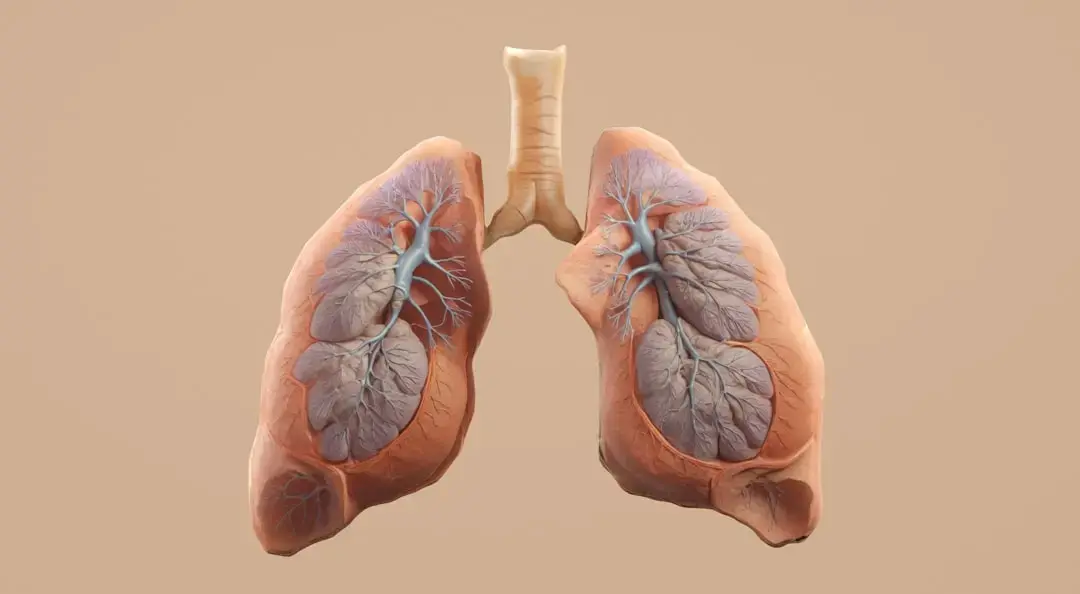
Researchers have pinpointed specific blood proteins. These proteins may indicate a significantly increased risk of developing lung cancer. The international team, involving over 80 scientists, hopes this leads to earlier detection and prevention. The findings could change how we approach this deadly disease.
Wellness Alert
 New Depression Subtype Linked to Body Clock Identified
 AI Facial Analysis Predicts Cancer Survival Rates
 Optimizing Daily Habits for Improved Digestive Function
 Rapport Therapeutics Reports Positive Phase 2 Results for RAP-219 in Bipolar Mania
Lung cancer remains the leading cause of cancer deaths globally. Current screening methods often detect the disease at later stages. This new research focuses on identifying biomarkers present years before symptoms appear. Scientists analyzed blood samples, searching for protein patterns linked to future cancer development. The study spanned multiple continents, strengthening the reliability of the results.
The identified proteins aren't directly causing the cancer. Instead, they appear as early indicators of cellular changes. These changes eventually lead to tumor growth. Detecting these proteins allows doctors to identify individuals who would benefit from closer monitoring. This proactive approach could significantly improve survival rates. The research suggests a potential window of five or more years before diagnosis.
Could a Drug Intervene Before Cancer Develops?
The team used advanced analytical techniques to analyze the protein data. They focused on identifying combinations of proteins that consistently appeared in individuals later diagnosed with lung cancer. This complex analysis revealed a distinct protein signature. This signature proved remarkably accurate in predicting future risk. The researchers emphasize this isn't a single protein, but a specific combination.
Alongside the protein discovery, researchers are exploring potential interventions. They've identified a drug that shows promise in targeting these early cellular changes. Preliminary tests suggest the drug can potentially halt or slow the progression towards cancer. This offers a hopeful avenue for preventative treatment. More research is needed to confirm its effectiveness and safety in humans.
The identified drug works by modulating the activity of the proteins. It aims to restore normal cellular function before irreversible damage occurs. This approach differs from traditional cancer treatments, which focus on killing existing tumor cells. It represents a paradigm shift towards proactive prevention. Clinical trials are planned to assess the drug's impact on high-risk individuals.
The implications of this research are substantial. Early detection and prevention could dramatically reduce lung cancer mortality rates. It offers hope for those at high risk, such as smokers or individuals with a family history of the disease. Further research will refine the protein signature and validate the drug's efficacy. This could lead to widespread screening programs and preventative therapies.
Frequently Asked Questions
What makes this research different from existing lung cancer screening? Current screening typically uses imaging techniques like CT scans. These scans can detect tumors, but often at a later stage. This new research focuses on identifying risk before tumors form, using a simple blood test. It aims for earlier intervention and prevention.
Who would benefit most from this new technology? Individuals with a high risk of lung cancer, like heavy smokers, would benefit the most. Those with a strong family history of the disease are also prime candidates. Early identification allows for closer monitoring and potential preventative treatment.
When might we see this available for widespread use? While promising, this research is still in its early stages. It will take several years of further research and clinical trials. Widespread availability will depend on the results of these trials and regulatory approvals.
More stories: