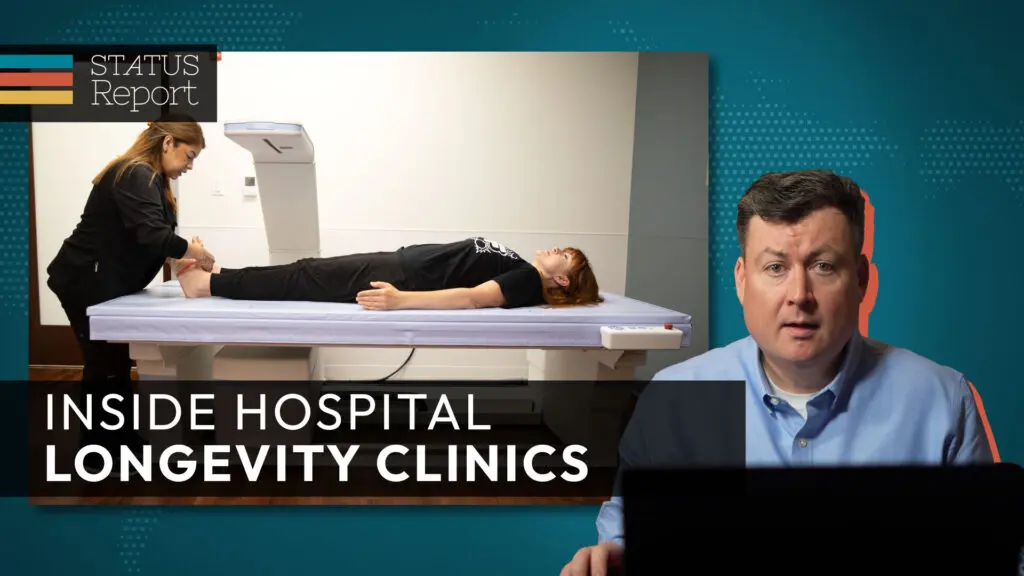
What Are Hospital Longevity Programs and What Can They Reveal About Your Health?
How Do Longevity Clinics Measure Biological Age and Health Risks?
Hospital-based longevity clinics are emerging as specialized centers focused on extending healthy lifespan through personalized assessments and preventive interventions. At one such facility visited by STAT’s Sarah Todd in October 2026, clinicians use advanced diagnostics to evaluate biological age, cardiovascular risk, metabolic function, and cognitive health, aiming to identify early signs of age-related decline before symptoms appear. These programs integrate data from blood work, imaging, wearable sensors, and lifestyle questionnaires to create a comprehensive health profile.
Wellness Alert
 Millions of Toothpaste Tubes Recalled Over Safety Concerns
 Understanding How Social Circles Boost Student Fitness
 New Depression Subtype Linked to Body Clock Identified
 AI Facial Analysis Predicts Cancer Survival Rates
Unlike standard checkups, longevity programs prioritize biomarkers that reflect cellular aging, such as telomere length, epigenetic clocks, and inflammatory markers. Patients undergo tests like carotid artery ultrasounds to assess arterial stiffness, VO2 max evaluations for cardiovascular fitness, and continuous glucose monitoring to detect metabolic inefficiencies. Clinicians also analyze sleep patterns, stress hormones, and gut microbiome composition to build a dynamic picture of physiological resilience. The goal is not just to treat disease but to modify its trajectory through targeted lifestyle adjustments, nutraceuticals, or pharmaceutical interventions when appropriate.
What Can Patients Learn About Their Future Health From These Assessments?
Participants receive detailed reports highlighting discrepancies between chronological and biological age, often revealing hidden vulnerabilities. For example, a 50-year-old might show arterial aging typical of someone 65, prompting early intervention with exercise, diet, or medication. Cognitive screenings can detect subtle changes in memory or processing speed years before clinical dementia becomes evident. By tracking these metrics over time, clinics empower individuals to see how specific behaviors—like strength training or time-restricted eating—directly impact their biomarkers, fostering motivation for sustained health improvements.
Are longevity programs covered by insurance? Most longevity assessments are not currently covered by standard health insurance plans, as they are considered preventive or elective. Patients typically pay out-of-pocket, though some components like blood tests or cardiac evaluations may be reimbursed if deemed medically necessary.
Frequently Asked Questions
How often should someone visit a longevity clinic? Frequency depends on individual risk factors and goals, but many experts recommend baseline testing followed by reassessments every six to twelve months to track progress and adjust interventions effectively.
Can these programs actually extend lifespan? While no program can guarantee longer life, longevity clinics aim to increase healthspan—the period of life spent in good health—by delaying or preventing chronic diseases through early detection and personalized prevention strategies.
More stories: