What This Medieval Sleep Practice Reveals About Modern Hustle Culture
How the „Watch” Challenged Modern Notions of Productivity
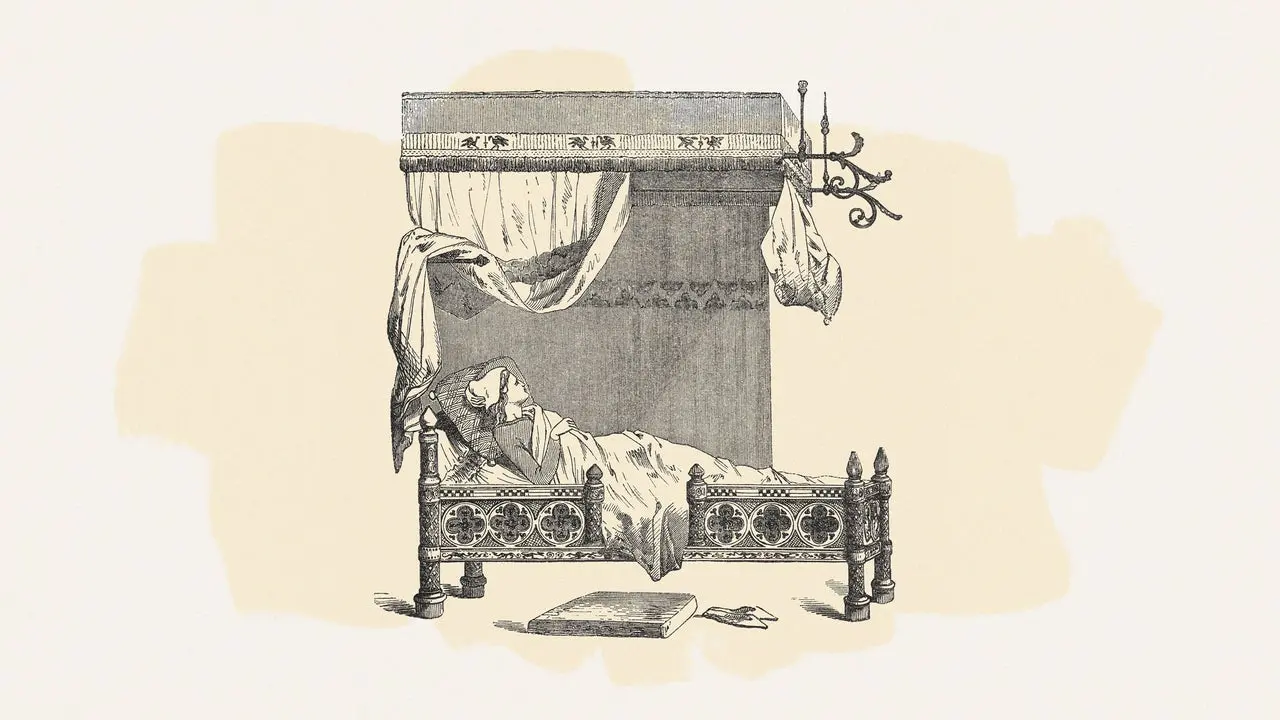
In the year 1600, as dusk settled over European villages, people retired to canvas sacks on the floor for sleep, but their rest followed a pattern unlike today’s continuous eight-hour norm. After an initial period of sleep, they would wake around midnight for a quiet interval known as „the watch,” before returning to rest until dawn. This segmented sleep pattern was common across pre-industrial societies, shaped by the absence of artificial lighting and the rhythms of agricultural life. Without electric lights to extend the day, people naturally aligned their sleep with daylight hours, resulting in two distinct sleep periods separated by a period of wakefulness used for reflection, prayer, or quiet tasks.
Wellness Alert
 New Depression Subtype Linked to Body Clock Identified
 AI Facial Analysis Predicts Cancer Survival Rates
 Optimizing Daily Habits for Improved Digestive Function
 Rapport Therapeutics Reports Positive Phase 2 Results for RAP-219 in Bipolar Mania
The midnight wakefulness was not seen as insomnia or failure but as a valuable time for contemplation, conversation, or light chores. Historical records suggest people used this interval to pray, discuss dreams, or tend to fires, treating it as a natural and productive part of the night. This contrasts sharply with today’s expectation of uninterrupted sleep and constant daytime productivity, where any nighttime waking is often pathologized. The medieval model reveals that human sleep flexibility was once accepted, even utilized, rather than resisted.
What If We Rethought Sleep as a Flexible Rhythm?
Modern sleep science acknowledges that segmented sleep may reflect a natural human tendency, particularly in environments without artificial light. Studies show that when people are deprived of electric lighting, they often revert to a bimodal sleep pattern. This suggests that the pressure to consolidate sleep into a single block may conflict with biological inclinations. Reconsidering sleep as a fluid rhythm could reduce anxiety around nighttime awakenings and open space for gentler nighttime routines.
Was the medieval „watch” a sign of poor sleep quality? No, it was a normal and accepted part of the nightly routine, not a disorder. People used the time for quiet activities and returned to sleep feeling rested.
Frequently Asked Questions
Did everyone in medieval Europe follow this sleep pattern? While common, variations existed based on season, location, and social status, but segmented sleep was widely documented in diaries and medical texts of the era.
Could adopting a similar pattern help modern sleep struggles? It may help reduce anxiety about waking at night, though modern schedules and light exposure make a full return challenging without lifestyle adjustments.
More stories: